The Finance Ministry has begun sharing fiscal data with the International Monetary Fund (IMF) delegation during technical talks aimed at finalising the upcoming federal budget 2026-27.
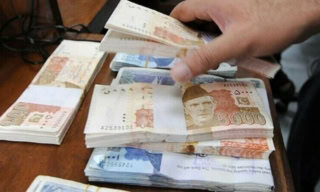
The new budget is expected to include more than Rs.400,000 million in fresh tax measures, as the government seeks to close a widening fiscal gap before the financial year ends.
Deputy Prime Minister Ishaq Dar has been assigned overall responsibility for the budget-making process by the federal government, taking on a central coordination role in fiscal planning.
A ministerial committee will review all incoming tax proposals and recommendations before giving them formal approval ahead of the official presentation of the budget to parliament.
IMF Raises Alarm Over Tax Shortfall
The IMF has expressed serious concern over a tax shortfall of Rs.683,000 million, and has pressed Pakistan to accelerate tax collection on agricultural income across all provinces.
According to sources, all four provinces of Pakistan have agreed to implement full agricultural income tax collection starting from the new fiscal year, beginning July 2026.
The IMF mission was briefed during official talks that the economic growth target of 4.2 percent for the current fiscal year is unlikely to be achieved by June.
Officials also told the Fund that the revised tax collection target of Rs.13,989 billion for the ongoing fiscal year remains extremely difficult to meet.
The government has been advised to revise its annual economic targets downward, including the overall tax revenue projections, to better reflect the current economic performance and fiscal realities on ground.
Petroleum Levy and Consumer Burden
IMF officials have urged the Pakistani government to pass on the impact of global oil price movements directly to consumers, rather than absorbing the cost through subsidies or price controls.
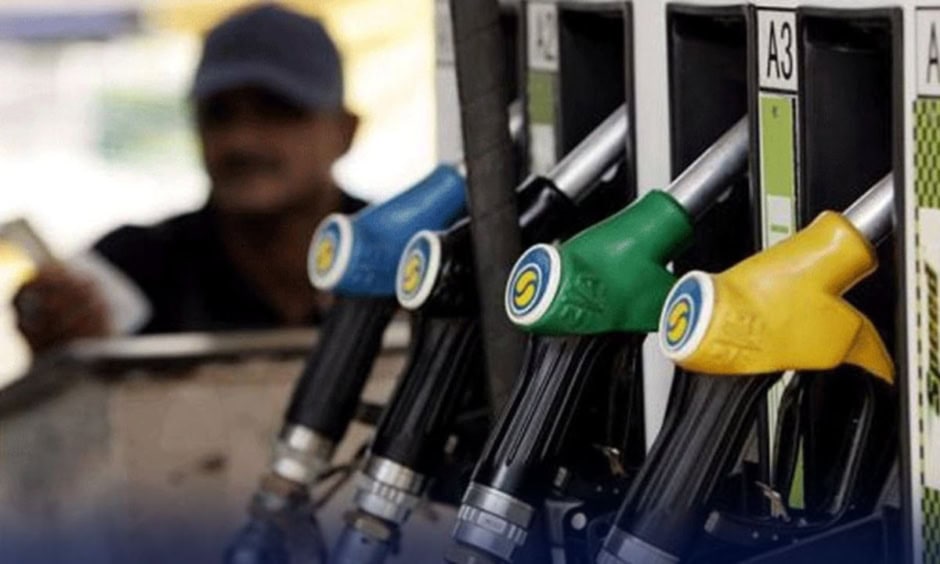
Sources indicate that the government has collected more than Rs.1,330 billion in petroleum levy from consumers during the current fiscal year to date.
The total petroleum levy target set for the full fiscal year stands at Rs.1,468 billion, leaving a remaining collection gap to be filled before June.
Spending Priorities and Fiscal Discipline
The IMF has demanded that Pakistan ensure strict fiscal discipline in the upcoming budget to reduce the overall deficit, pressing Islamabad to control expenditure and improve revenue mobilisation efforts.
The Fund has also called for significantly higher allocations in the new budget for health, education, physical infrastructure, and social protection programmes targeting Pakistan’s most vulnerable population groups.
Pakistan has been asked by the IMF to spend a minimum of three percent of its gross domestic product on the health and education sectors combined in the upcoming fiscal year.
The IMF has further demanded no further delays in the implementation of the National Fiscal Pact, warning that no exemptions or relaxations in its conditions will be permitted going forward.