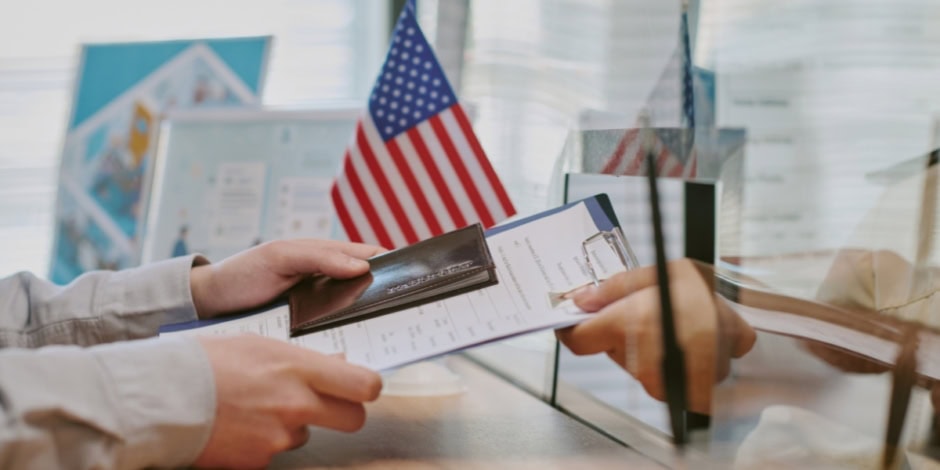
The United States has introduced new immigration filing rules that significantly increase the consequences of signature errors on applications, including H-1B petitions and green card cases.
The U.S. Citizenship and Immigration Services (USCIS) announced that the changes will take effect from July 10, 2026, under an interim final rule titled “Signatures on Immigration Benefit Requests”, published in the Federal Register on May 11.
Under the new policy, USCIS will have the authority to reject immigration applications at the intake stage if they are missing valid signatures. In some cases, applications may also be denied later during review if signature issues are identified.
Unlike previous practice, the agency may now retain filing fees even if an application is rejected or denied due to signature defects, making the consequences financially significant for applicants.
US immigration officials said the rule responds to rising concerns over improper signature methods, including copied or digitally generated signatures and filings submitted by unauthorized individuals.
However, USCIS confirmed that handwritten signatures remain the standard requirement. Scanned copies, faxed signatures, and clear photocopies of original wet-ink signatures will still be accepted.
At the same time, several formats will be considered invalid, including typed signatures, reused image files, signature stamps, and signatures made by individuals not authorized to sign on behalf of applicants or companies.
The new rules apply broadly to employment-based immigration categories, including H-1B, L-1, and employment-based green card petitions.
Immigration experts warn that employers relying on digital or automated document workflows may face increased risk if proper documentation and original signatures are not maintained.
A single signature error could result in application rejection, loss of filing fees, delays in work authorization, and complications with immigration status or priority dates.
While the rule is set to take effect on July 10, public comments remain open until the same date. Immigration professionals are urging applicants and sponsors to carefully review filing procedures and ensure strict compliance with signature requirements to avoid costly mistakes.