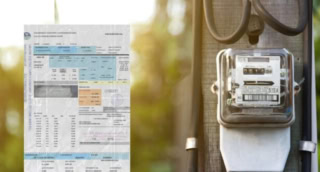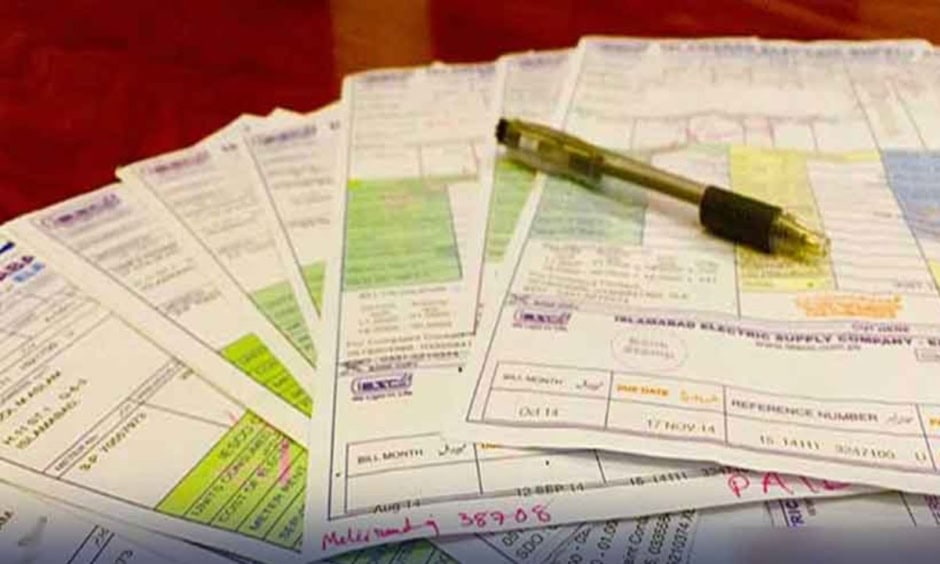
The Federal Board of Revenue (BFR) has effectively converted the energy sector into a tax collection agent, charging consumers Rs9 per unit across multiple levies embedded directly in electricity bills.
Official documents confirm that electricity bills currently contain 6 distinct categories of taxes, including 18 percent GST, income tax, and advance tax collected simultaneously from all consumers.
These combined charges generate annual revenue exceeding Rs900 million, making electricity bills one of the most significant indirect tax collection mechanisms for the federal government.
Analysts say the 18 percent GST alone represents a substantial burden on household budgets, particularly for low-income consumers who spend a higher share of their income on electricity.
The energy sector now functions as a direct revenue arm of the FBR, with consumers charged multiple tax types on a single bill without any visible breakdown provided to them.
Rising electricity and petroleum product prices are directly linked to these embedded taxes, according to the documents, which detail how each levy compounds the final bill amount.
Industrial sector is also significantly affected, as higher electricity costs driven by these taxes reduce competitiveness and raise overall production expenses for manufacturers.
Power Firms Collect Rs19T in 3 Years
Last week it was reported that electricity consumers in Pakistan paid over Rs19 trillion in taxes during the past three years, according to official Ministry of Energy documents.
Distribution companies collected Rs5.07 trillion in 2022-23 and Rs6.98 trillion in fiscal year 2023-24, showing a sharp increase in tax revenues across the sector.
More than Rs7 trillion were collected last year alone, with IESCO contributing Rs2.32 trillion, representing a significant share of the overall national tax burden total.
LESCO led with Rs5.32 trillion over three years, while Gujranwala, Faisalabad, and Multan companies collected substantial amounts, exceeding Rs2 trillion each during the period reported.
Peshawar, Hyderabad, Quetta, Tribal, and Sukkur electric supply companies collected comparatively lower taxes, ranging from billions to over a trillion rupees.