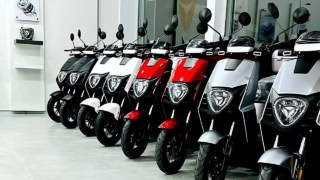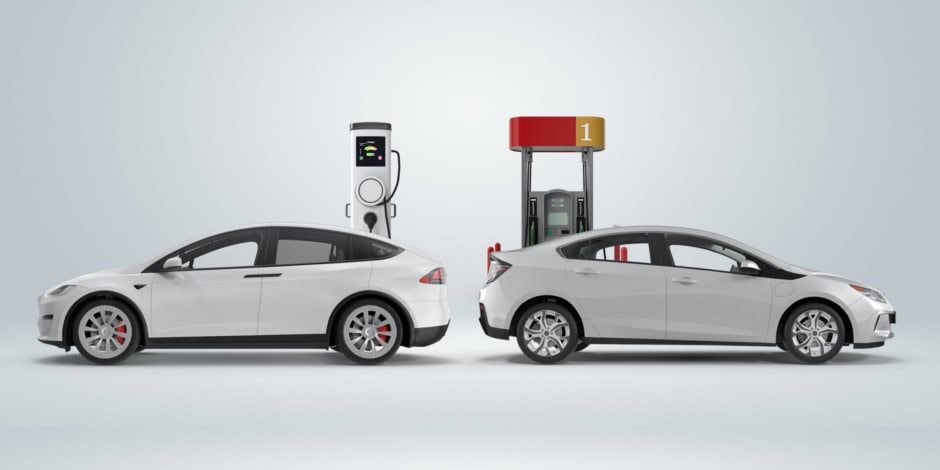
Electric and hybrid vehicles may become more expensive in Pakistan from the next fiscal year. The federal government is considering major tax changes in Budget 2026-27 after discussions with the International Monetary Fund (IMF).
According to reports, the government plans to reduce or completely remove several tax exemptions and concessional rates given to different sectors. The IMF has reportedly opposed these incentives and described them as relief measures that mainly benefit the elite class.
Under the proposed plan, sales tax on electric vehicles could increase from 1% to 18%. At the same time, the reduced 8% tax rate on hybrid vehicles may also end. As a result, hybrid vehicles could face the standard 18% sales tax.
Officials familiar with the talks said the IMF believes electric and hybrid vehicles mainly serve high-income buyers. Therefore, the lender does not support special tax treatment for these vehicles despite their environmental benefits.
The government reportedly tried to keep the lower tax rate for electric vehicles. However, those efforts have not produced positive results so far.
Meanwhile, Pakistan is negotiating a new long-term financial program with the IMF. The lender is pushing for broader tax reforms and the removal of concessional tax regimes to expand the country’s tax base.
In another development, President Asif Ali Zardari has summoned the Parliament’s budget session for fiscal year 2026-27 on June 5, Friday.
Under the announced schedule, the National Assembly session will begin at 5 pm. The Senate session will follow at 6 pm. Both sittings have been called under Article 54(1) of the Constitution.
At the same time, discussions on the upcoming budget continue in parliamentary committees. Last week, the National Assembly Standing Committee on Finance and Revenue asked the Ministry of Finance’s Tax Policy Unit and the Federal Board of Revenue (FBR) to focus on long-term structural reforms instead of short-term stabilisation measures.
The committee also stressed the need for better fiscal governance, improved transparency, and inclusive economic growth in the next federal budget.
For fiscal year 2026-27, Pakistan’s GDP growth is expected to stay between 3.5% and 4.5%. However, inflation has returned to double digits and reached 10.9% year-on-year in April 2026.