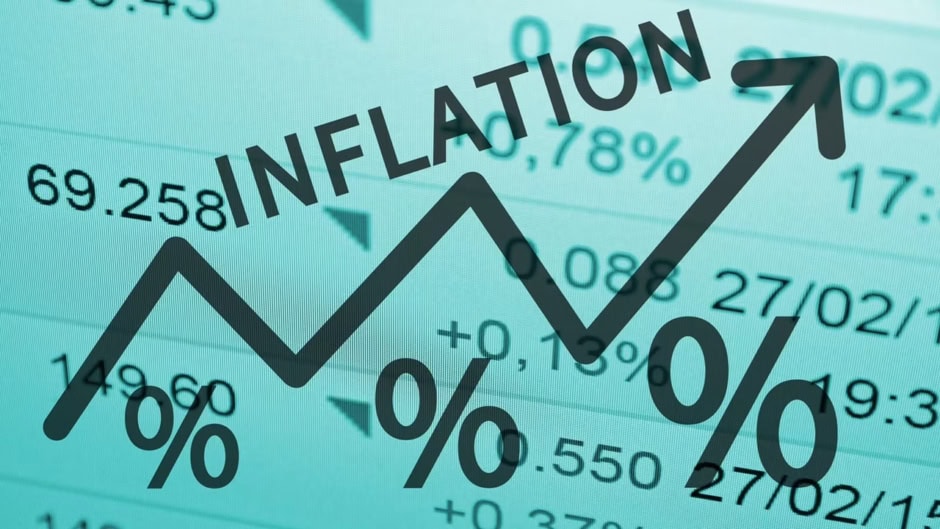
Pakistan’s inflation rate increased to 11.7% year-on-year in May 2026, up from 10.9% in April, according to the latest data released by the Pakistan Bureau of Statistics.
The Consumer Price Index (CPI)-based inflation also rose by 0.5% on a month-on-month basis in May, compared to a 2.5% increase recorded in April 2026. In the same month last year, inflation had declined by 0.2%.
The data showed that urban inflation reached 11.8% year-on-year in May, compared with 11.1% in the previous month and 3.5% in May 2025. On a monthly basis, urban prices increased by 0.7%. Rural inflation also accelerated, rising to 11.5% year-on-year from 10.6% in April, while monthly inflation in rural areas stood at 0.3%.
The Sensitive Price Index (SPI), which measures changes in the prices of essential commodities, recorded a 12.0% year-on-year increase in May 2026, up from 10.1% in the previous month. On a monthly basis, SPI inflation rose by 0.7%.
Meanwhile, the Wholesale Price Index (WPI) increased by 12.7% year-on-year, although it was lower than the 13.6% growth recorded in April. On a month-on-month basis, wholesale prices declined by 0.8% after rising sharply by 5.1% a month earlier.
Core inflation also remained elevated during the month. Urban non-food, non-energy inflation rose to 9.0% year-on-year, compared with 8.0% in April, while rural core inflation stood at 8.4%. The 20% weighted trimmed mean measure of core inflation increased to 9.8% in urban areas and 9.6% in rural areas, indicating that underlying inflationary pressures continue to persist across the economy.
The latest figures suggest that inflation remains a significant economic challenge despite some easing in wholesale prices, with consumers continuing to face higher costs for goods and services ahead of the new fiscal year.