China’s leading technology companies are increasingly recruiting artificial intelligence (AI) talent directly from high school, reflecting the country’s growing demand for skilled AI professionals and a shift away from traditional degree-based hiring.
The trend comes as China works to address a widening shortage of AI experts while strengthening its position in the global artificial intelligence race.
The changing approach has been highlighted by the success of a 13-year-old student from Hangzhou, who gained national attention after excelling in AI competitions and building an online following of more than 136,000 people.
According to Rest of World, the student’s father has also begun learning AI alongside his son to keep pace with the rapidly evolving technology.
The case illustrates how Chinese companies are identifying and nurturing promising AI talent years before students enter the workforce.
Tech Companies Invest in Young Talent
Several major Chinese companies have introduced programs to develop future AI professionals:
- Tencent has launched AI training camps for students aged 13 to 18, offering courses in artificial intelligence, AI product management, and quantum computing.
- ByteDance founder Zhang Yiming has co-founded an elite AI research initiative that admits only 30 students each year for intensive full-time training.
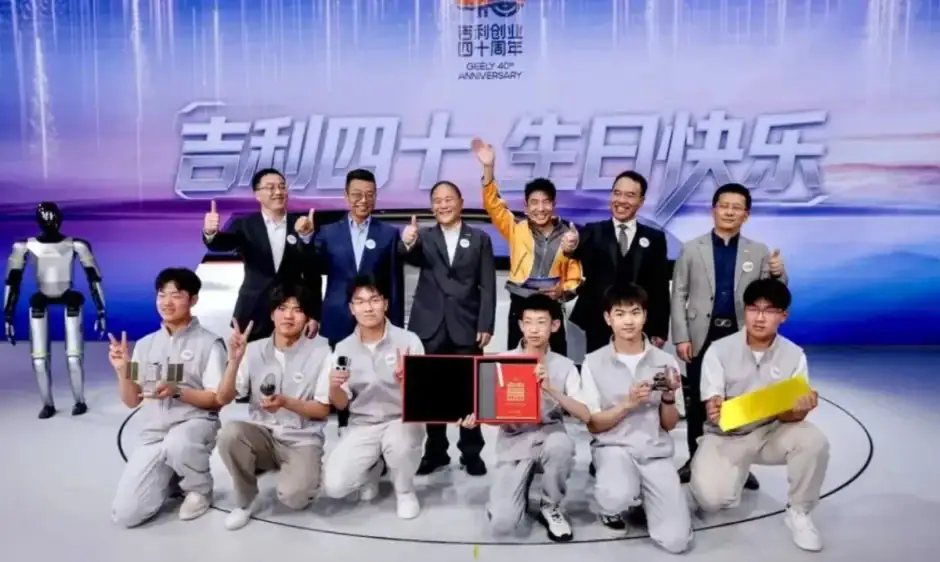
- Geely has started recruiting high school students for AI and electric vehicle training, with successful participants offered graduate-level salaries.
- AI startup MiniMax has removed university degree requirements, emphasizing technical ability, creativity, and curiosity over formal academic qualifications.
AI Talent Shortage Driving the Shift
The recruitment drive is largely driven by China’s growing shortage of AI specialists.
According to McKinsey, demand for AI professionals in China could reach 6 million by 2030, while the available workforce may total only 2 million, leaving a gap of approximately 4 million skilled workers.
To bridge this shortage, companies are investing in early education initiatives, workforce upskilling, and skills-based hiring practices.
The trend reflects a broader global shift toward skills-based recruitment.
Technology companies are increasingly prioritizing coding ability, problem-solving skills, innovation, and practical experience over traditional academic credentials.
Even Google co-founder Sergey Brin has previously said the company has become more open to hiring candidates without a bachelor’s degree, highlighting the growing importance of demonstrable technical expertise.
As artificial intelligence continues to reshape the global workforce, employers are placing greater value on real-world skills and potential, creating new opportunities for talented young innovators regardless of age or formal qualifications.