The federal government is considering the withdrawal of reduced General Sales Tax (GST) rates on several products as part of its tax reform agenda ahead of the FY2026-27 budget.
According to reports, products currently benefiting from concessional GST rates under the Eighth Schedule of the Sales Tax Act may face higher taxation as authorities seek to broaden the tax base and increase revenue collection.
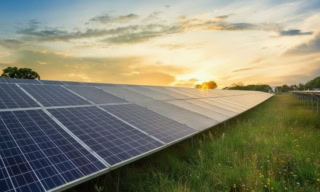
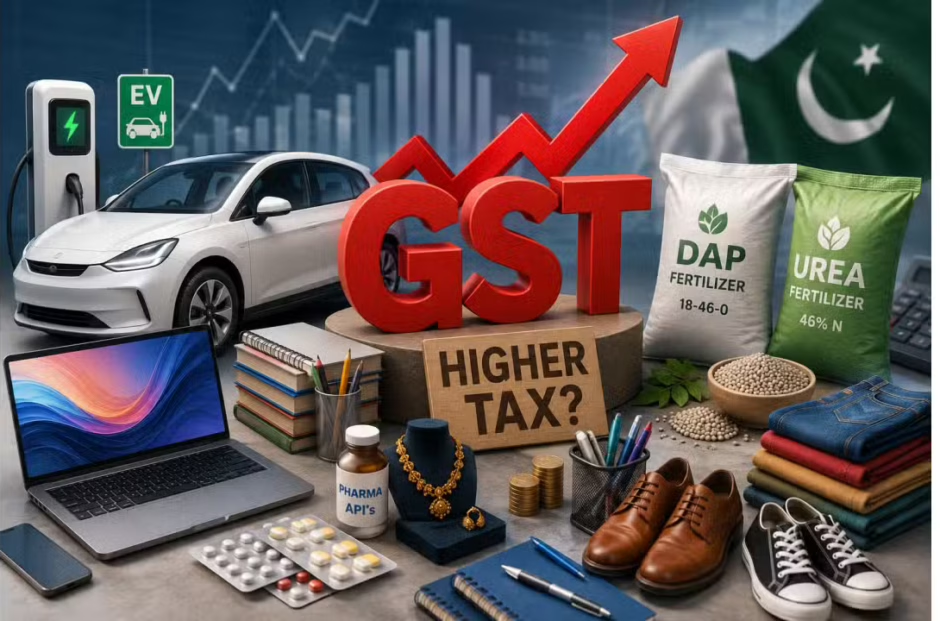
The products under review include locally manufactured electric vehicles (EVs), hybrid vehicles, imported computers and laptops, tractors, photovoltaic solar panels, DAP fertilizer, pharmaceutical raw materials, poultry feed, cattle feed, stationery items, and selected food products. These goods currently enjoy GST rates ranging from 1 percent to 13 percent, significantly lower than the standard sales tax rate.
The proposed move is part of Pakistan’s broader efforts to rationalize tax expenditures, reduce exemptions, and meet fiscal targets under ongoing economic reforms. Analysts believe the government is under pressure to enhance revenue generation while simplifying the tax structure and reducing preferential tax treatments.
If approved, the withdrawal of these concessions could lead to higher prices for affected products and may influence consumer demand, business investment decisions, and industry growth, particularly in sectors such as renewable energy, agriculture, and information technology.
While no final decision has been announced, stakeholders across various industries are closely watching the upcoming federal budget for clarity on the future of these tax incentives. The FY2026-27 budget is expected to outline whether the government will maintain, reduce, or completely phase out the existing GST concessions.