Prime Minister Shehbaz Sharif has reiterated the government’s commitment to achieving export-led economic growth and directed the National Tariff Commission to adopt modern technologies, including artificial intelligence, to improve services for investors and industrialists.
Chairing a high-level review meeting on the national economy and implementation of the National Tariff Policy 2025-30, the prime minister emphasized that a transparent and efficient tariff regime is essential for promoting domestic industry, trade, and investment.
The meeting was attended by senior cabinet members, including Ishaq Dar and Muhammad Aurangzeb, along with other ministers and government officials.
Officials briefed participants on the National Tariff Policy 2025-30, under which tariffs across multiple sectors will be reduced gradually to support exports, improve competitiveness, and encourage industrial growth.
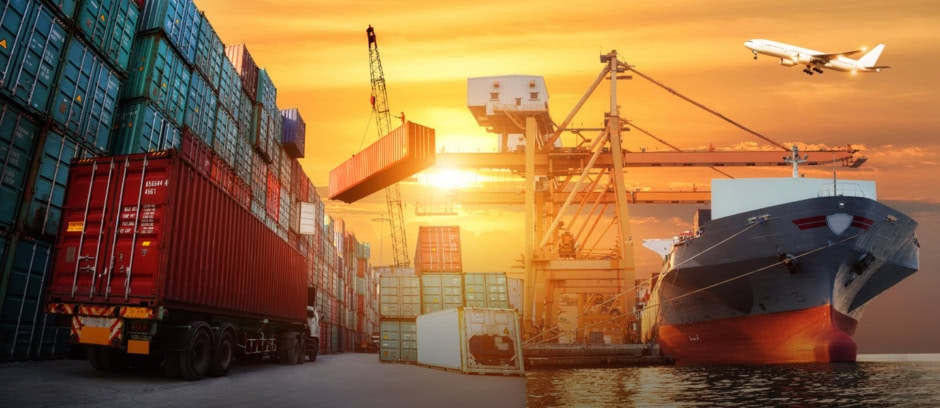
As part of the policy, duties on reefer containers and semi-trailers will be abolished to strengthen Pakistan’s logistics sector. Customs duties on specialized machinery and vehicles used in construction will also be reduced to support infrastructure development and investment.
In addition, the government plans to eliminate customs duties on raw materials used in the production of cancer medicines, a move aimed at supporting the pharmaceutical industry and improving access to healthcare-related products.
The prime minister stressed that adopting global best practices and leveraging modern technologies such as AI will help enhance the effectiveness of tariff administration and create a more business-friendly environment.