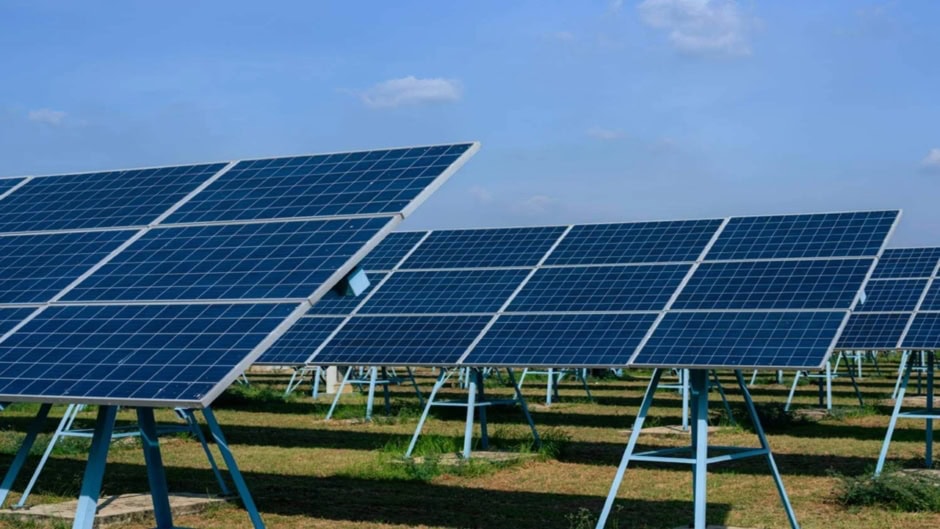
Pakistan’s transition toward solar energy accelerated further in April 2026, with electricity generated through net metering reaching an all-time high as households and businesses increasingly reduce their reliance on the national power grid.
According to data compiled by Arif Habib Limited using statistics from National Electric Power Regulatory Authority (NEPRA), the share of net-metered electricity in total power generation rose to its highest level on record during April.
The net-metering contribution increased by 117 basis points year-on-year, highlighting the rapid adoption of rooftop solar systems across the country.
The growth in solar generation comes amid declining electricity demand from the national grid. Total power generation fell by 9.6 percent compared to April 2025, reflecting lower consumption in several sectors and the increasing use of self-generated solar energy.
On a month-on-month basis, electricity supplied through net metering surged by 71.2 percent, driven by favorable weather conditions, higher sunlight availability during spring, and continued investment in solar installations.
Industry analysts attribute the trend to falling solar panel prices and persistently high grid electricity tariffs, which have encouraged consumers to invest in renewable energy solutions to reduce energy costs and gain greater energy independence.
The rapid expansion of net metering is reshaping Pakistan’s power sector. While consumers benefit from lower electricity bills and improved energy security, power distribution companies have expressed concerns about the financial implications as a growing number of high-paying consumers reduce their grid electricity consumption.
Despite the recent decline in overall power generation, NEPRA projects electricity demand to grow by approximately 1 percent during calendar year 2026. However, regulators and policymakers are closely monitoring the continued rise of net metering, which is emerging as one of the most significant structural shifts in Pakistan’s energy landscape.