Pakistan’s textile industry has urged the government to introduce immediate pro-export measures in the upcoming federal budget, warning that the country could miss a rare opportunity to attract global business as international buyers seek alternatives to traditional manufacturing hubs.
In a letter addressed to Prime Minister Shehbaz Sharif, Pakistan Textile Council (PTC) Chairman Fawad Anwar said Pakistan is well-positioned to benefit from ongoing shifts in global supply chains but risks losing competitiveness due to high production costs and policy challenges.
The warning comes as global brands and retailers increasingly diversify their sourcing networks across Asia. According to PTC, Pakistan possesses key advantages, including a complete cotton-to-garment value chain, an experienced export sector, and long-standing relationships with international buyers.
In his communication, Fawad Anwar noted that Pakistan’s merchandise exports during the first eleven months of FY2025-26 were $1.66 billion lower than the corresponding period of the previous fiscal year despite signs of recovery in global demand.
“Global buyers are looking for alternatives and Pakistan is on their radar. The question is whether we will seize this opportunity or price ourselves out of the market,” Anwar stated.
The PTC chairman argued that while economic stabilization has been achieved through difficult reforms, long-term prosperity requires sustained export growth.
He emphasized that export expansion remains the most effective path to creating jobs, earning foreign exchange, and attracting investment, adding that countries that successfully overcame recurring balance-of-payments crises did so by growing exports rather than increasing taxes on their export sectors.
The Council has proposed three key measures for inclusion in Budget 2026-27:
- Restoration of a competitive tax regime for exporters through the reintroduction of the Final Tax Regime (FTR).
- Reduction of industrial energy tariffs to levels comparable with regional competitors.
- Immediate release of outstanding export refunds and withheld tax payments through a transparent and time-bound mechanism.
According to PTC, exporters continue to face some of the highest energy costs in Asia while billions of rupees remain tied up in pending refunds, limiting investment and expansion opportunities.
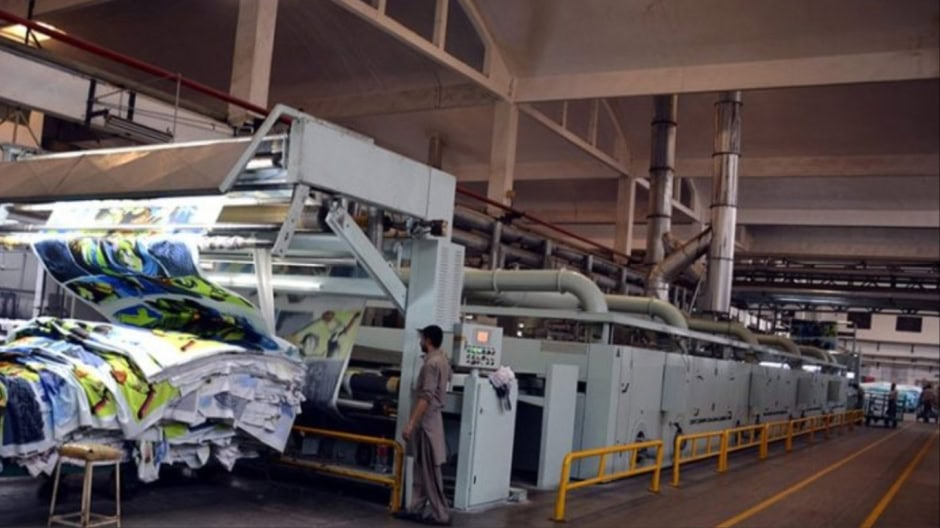
The Council highlighted that Pakistan’s textile and apparel sector remains the country’s largest export industry and one of the few sectors capable of generating rapid export growth, large-scale employment, and sustainable foreign exchange earnings.
PTC reiterated its willingness to work closely with the government on practical, data-driven reforms aimed at enhancing the global competitiveness of Pakistan’s textile industry and supporting an export-led growth strategy.