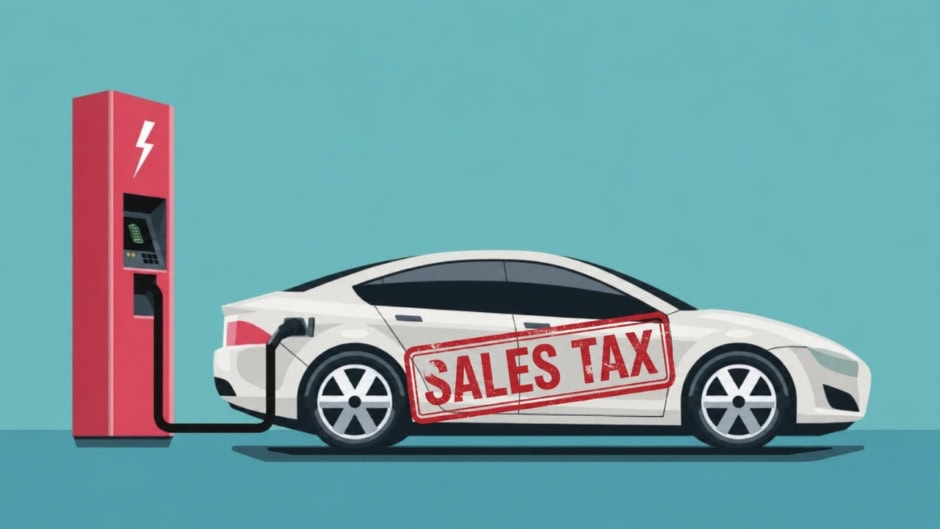
Pakistan’s federal government plans to impose up to 25% sales tax on the import of electric vehicles in the upcoming Budget 2026-27, dealing a significant blow to the country’s nascent EV transition.
The move follows the expiry of a wave of tax exemptions introduced under the Automotive Industry Development and Export Policy 2021-26, all of which lapse on June 30, 2026, sources told Business Recorder.
What Expires on June 30
Three major exemptions will disappear simultaneously. First, the sales tax exemption on completely knocked down kits imported by local EV manufacturers covers small cars and SUVs with battery capacities up to 50 kWh and light commercial vehicles with battery capacities up to 150 kWh, and it ends June 30.
Second, the 1% sales tax rate that local manufacturers currently pay on finished electric four-wheelers within those battery thresholds also lapses on the same date. Third, the reduced sales tax rate of 8.5% to 12.75% that applies to locally manufactured hybrid electric vehicles runs out at the same time.
The government plans to leave hybrid vehicle tax rates unchanged in the next fiscal year, sources confirmed. Hybrid car buyers get a degree of certainty that EV importers will not enjoy heading into FY2026-27.
The Policy History Behind the Cliff
These concessions trace back to the Federal Cabinet’s original EV policy approval on June 16, 2020, which granted concessional customs duty for five years starting July 1, 2020. Under AIDEP 2021-26, the cabinet extended and expanded those concessions to cover additional vehicle categories including LCVs and vans.
The Senate Standing Committee on Finance has approved the Customs Amendment Bill 2026, giving legal effect to AIDEP’s financial provisions and extending customs duty concessions on EV CBU imports for approved variants up to 200 units in the two and three-wheeler segments, certified by the Engineering Development Board.
With the federal budget arriving on June 12, 2026, the final shape of EV taxation becomes clear in two days.