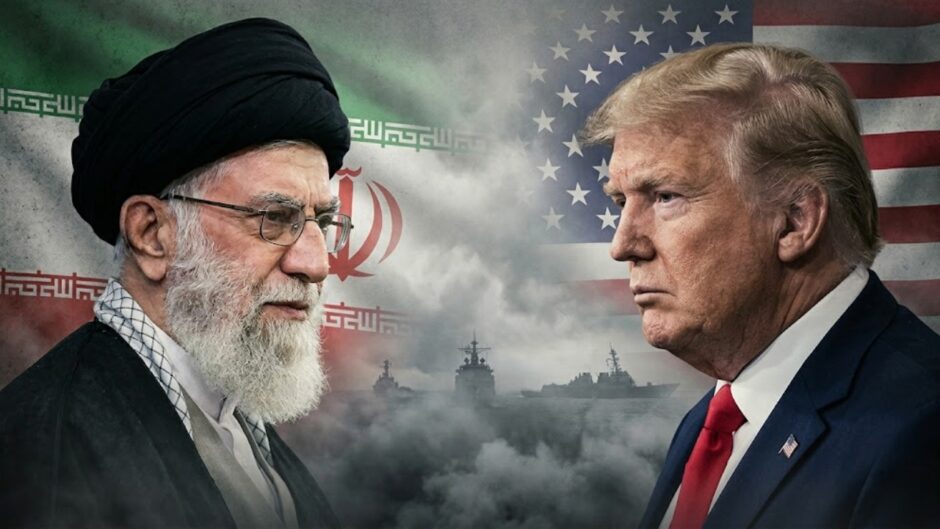
The United States announced on Sunday that it reached a deal with Iran to end the four-month-long war that has roiled the global energy market, calling for the reopening of the Strait of Hormuz as soon as Friday.
Iranian Deputy Foreign Minister Kazem Gharibabadi confirmed that the text of a memorandum of understanding had been finalized and that a formal signing ceremony would take place in Switzerland on Friday. Pakistan and Qatar, the two lead mediators in the deal, also confirmed the agreement.
Brent crude, the global benchmark, fell to below $84 a barrel following the announcement. At one point during the conflict, global oil prices had touched $126 a barrel.
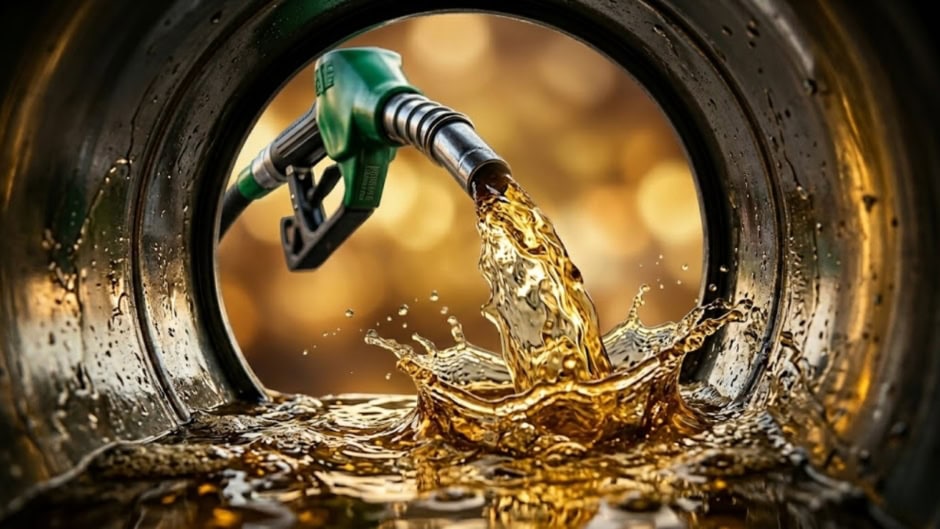
For Pakistani consumers, the numbers behind this deal tell a painful story. Petrol prices in Pakistan stood at Rs253.17 per liter on February 1, 2026. By May 9, they had surged to Rs414.78 per liter, a cumulative increase of 64% in three months. The biggest single jump came in early April, when the government raised petrol prices from Rs321.17 to Rs458.41 per liter following escalating tensions in the Middle East and fears of supply disruption through the Strait of Hormuz.
The war began on February 28, 2026, when the United States and Israel launched joint strikes on Iran, codenamed Operation Epic Fury. Iran retaliated immediately. By March 4, Iran’s IRGC declared the Strait of Hormuz closed to shipping.
The International Energy Agency described the resulting situation as the greatest global energy security challenge in history, worse than the 1970s oil shocks and the 2022 Russia-Ukraine war combined. The Strait of Hormuz carries approximately 20 million barrels of oil per day, roughly 20% of all oil traded globally. In 2024, 84% of all crude transiting the strait was destined for Asian markets.
Incidentally, Pakistan was not alone in absorbing the shock. A regional comparison during the peak of the crisis placed Nepal’s petrol at $1.48 per liter, Pakistan at $1.36, Sri Lanka at $1.30, India at $1.02, Bhutan at $1.06, the Maldives at $1.04, Afghanistan at approximately $0.95, and Bangladesh at $0.87.
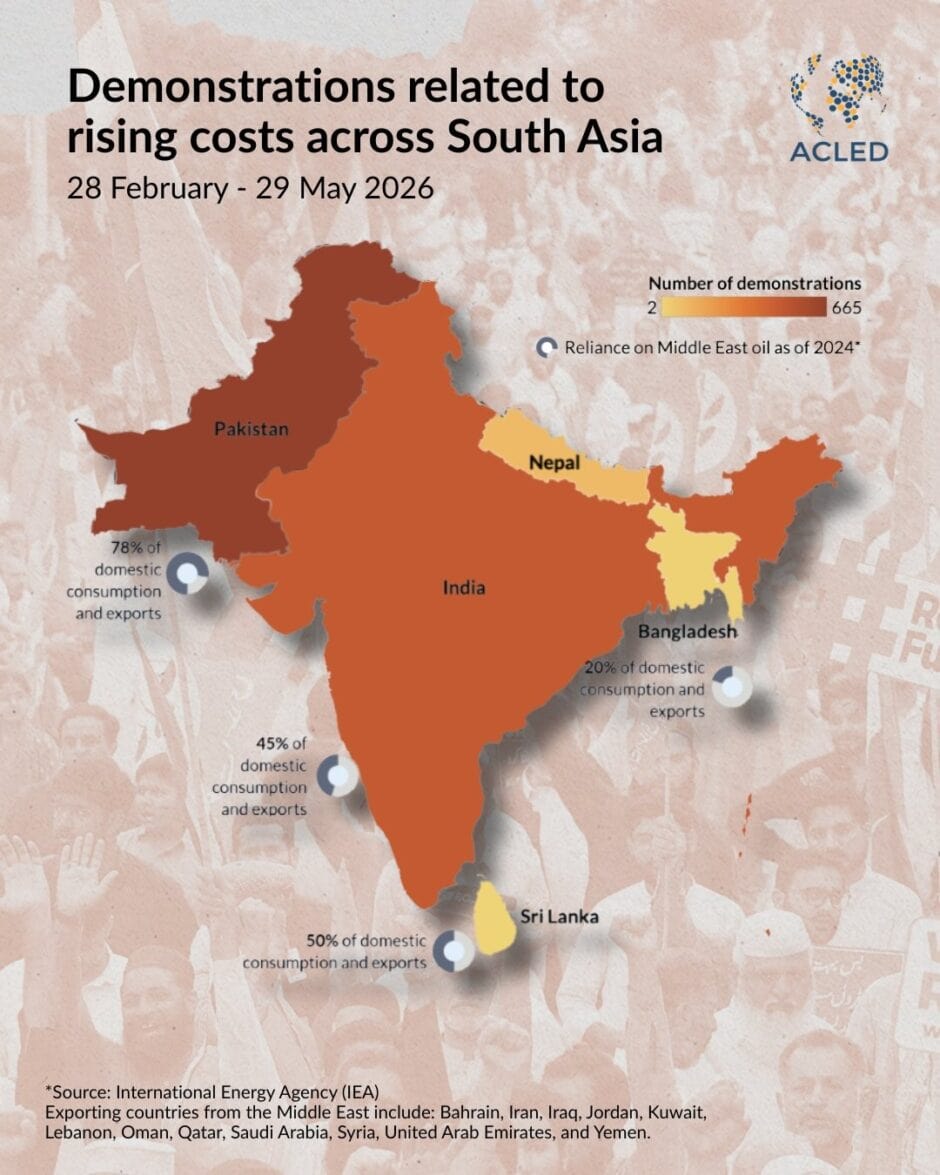
ACLED recorded more than 1,200 demonstrations across South Asia related to the economic impact of the Iran war, including protests over shortages of cooking gas, fuel, and the rising cost of living. Demonstrations increased from an average of three per day before the war to 15 per day across the region.
Each country in the region handled the crisis differently. India, the world’s third-largest oil importer with 90% of its oil coming from overseas, cut central excise duties on petrol and diesel by 10 rupees per liter to absorb costs rather than fully passing them to consumers, at a significant cost to tax revenues. Sri Lanka raised fuel prices by 25% in a single revision, pushing regular petrol to 398 rupees per liter and diesel to 382 rupees, while ordering a four-day working week and introducing mandatory fuel passes for vehicle owners.
Bangladesh, which imports approximately 95% of its oil, imposed daily fuel limits and saw pumps run dry in several districts despite rationing. Pakistan, with no strategic oil reserves and constrained by IMF fiscal conditions, was among the most exposed countries in the region and recorded the highest number of war-related demonstrations of any South Asian nation.
Following volatility in international oil markets during the conflict, Pakistan moved petroleum price reviews to a weekly cycle from the standard fortnightly schedule, with revised rates announced every Friday. The June 13 revision brought petrol to Rs373.78 per liter, marking a fifth consecutive downward revision reflecting the gradual easing of global crude prices ahead of the deal.
Brent futures were still up by more than a third compared with before the start of the war even after Sunday’s drop, signaling that the path back to pre-war price levels is not immediate. Markets expect a gush of 100 million barrels of crude from stranded ships to flow out once the deal is in place, but analysts warn that prices could stay elevated as damaged facilities are repaired and strategic reserves are refilled.
If Brent crude returns to pre-war levels around $68 per barrel and the rupee holds steady, OGRA’s pricing formula would push petrol back toward Rs253 per liter. That would represent a saving of over Rs120 per liter compared to current rates and over Rs200 per liter compared to the April peak of Rs458.41 per liter.
However, we need to realize that even after the strait is reopened, it’s going to take a while for trade to get back to normal. Many oil wells in the Middle East were mostly shut down during the conflict, and it could take several weeks to get production back up and running once they’re switched on again. Plus, experts are cautioning that these wells might not be able to reach the same production levels they had before the war.
With Pakistan importing approximately 80% of its crude from Gulf markets, the Hormuz reopening is the single most consequential factor in domestic fuel pricing. The next OGRA revision is scheduled for June 19.