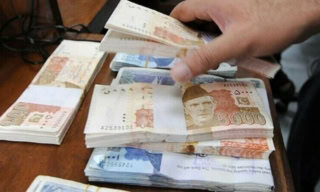
The federal government recently proposed revised income tax slabs for salaried individuals in the Finance Bill 2026-27. Consequently, the new structure lowers the tax burden for middle and higher-income earners. The government introduced these tax relief measures to ease inflationary pressure, increase salary after tax, and improve overall tax compliance.
However, the tax rate remains completely unchanged for several lower salary brackets. If you earn up to Rs. 175,000 per month, your tax liability will stay exactly the same.
Here is a detailed breakdown of how the new tax slabs will impact your monthly take-home salary.
Major Changes to the Income Tax Slabs
Authorities have adjusted the tax brackets significantly. The tax-free annual income threshold remains set at Rs. 600,000. Moreover, the tax rate on annual income between Rs. 600,000 and Rs. 1.2 million stays at 1% of the amount exceeding Rs. 600,000.
The real relief kicks in for annual incomes above Rs. 2.2 million. The government has slashed rates and introduced new intermediate slabs:
- Rs. 2.2 million to Rs. 3.2 million: Tax rate reduced from 23% to 20%.
- Rs. 3.2 million to Rs. 4.1 million: Tax rate reduced from 30% to 25%.
- Rs. 4.1 million to Rs. 5.6 million: Now taxed at 29% (previously hit the maximum 35%).
- Rs. 5.6 million to Rs. 7 million: Now taxed at 32%.
Furthermore, the maximum tax rate of 35% will now exclusively apply to annual incomes exceeding Rs. 7 million. Previously, the government applied this top rate to any income over Rs. 4.1 million.
Monthly Salary After Tax Breakdown
The following table compares every single proposed monthly tax deduction against the existing structure. Relief officially starts at Rs. 200,000 per month and becomes increasingly visible as income rises.
| Monthly Salary | Proposed Monthly Tax | Existing Monthly Tax | Net Effect |
| Rs. 49,999 | Rs. 0 | Rs. 0 | No change |
| Rs. 60,000 | Rs. 100 | Rs. 100 | No change |
| Rs. 70,000 | Rs. 200 | Rs. 200 | No change |
| Rs. 80,000 | Rs. 300 | Rs. 300 | No change |
| Rs. 90,000 | Rs. 400 | Rs. 400 | No change |
| Rs. 100,000 | Rs. 500 | Rs. 500 | No change |
| Rs. 110,000 | Rs. 1,600 | Rs. 1,600 | No change |
| Rs. 120,000 | Rs. 2,700 | Rs. 2,700 | No change |
| Rs. 130,000 | Rs. 3,800 | Rs. 3,800 | No change |
| Rs. 140,000 | Rs. 4,900 | Rs. 4,900 | No change |
| Rs. 150,000 | Rs. 6,000 | Rs. 6,000 | No change |
| Rs. 175,000 | Rs. 8,750 | Rs. 8,750 | No change |
| Rs. 200,000 | Rs. 13,000 | Rs. 13,500 | Rs. 500 lower |
| Rs. 225,000 | Rs. 18,000 | Rs. 19,250 | Rs. 1,250 lower |
| Rs. 250,000 | Rs. 23,000 | Rs. 25,000 | Rs. 2,000 lower |
| Rs. 275,000 | Rs. 28,417 | Rs. 31,333 | Rs. 2,917 lower |
| Rs. 300,000 | Rs. 34,667 | Rs. 38,833 | Rs. 4,167 lower |
| Rs. 350,000 | Rs. 47,500 | Rs. 54,250 | Rs. 6,750 lower |
| Rs. 400,000 | Rs. 62,000 | Rs. 71,750 | Rs. 9,750 lower |
| Rs. 450,000 | Rs. 76,500 | Rs. 89,250 | Rs. 12,750 lower |
| Rs. 500,000 | Rs. 92,000 | Rs. 106,750 | Rs. 14,750 lower |
| Rs. 600,000 | Rs. 124,500 | Rs. 141,750 | Rs. 17,250 lower |
| Rs. 700,000 | Rs. 159,500 | Rs. 176,750 | Rs. 17,250 lower |
| Rs. 800,000 | Rs. 194,500 | Rs. 211,750 | Rs. 17,250 lower |
| Rs. 900,000 | Rs. 229,500 | Rs. 268,958 | Rs. 39,458 lower |
| Rs. 1,000,000 | Rs. 264,500 | Rs. 307,108 | Rs. 42,608 lower |
Massive Relief for Elite Earners
High-income earners secure the most significant financial benefits under the revised budget. The Finance Bill specifically proposes removing the 9% surcharge previously levied on salaried individuals earning more than Rs. 10 million annually.
Consequently, the largest monthly savings in the data apply directly to salaries of Rs. 900,000 and Rs. 1 million because they completely bypass this tax surcharge.
Here is exactly how the total annual tax liability shifts for upper-tier and elite salaries under the revised slabs:
| Monthly Salary | Existing Annual Tax | Proposed Annual Tax |
| Rs. 400,000 | Rs. 861,000 | Rs. 744,000 |
| Rs. 450,000 | Rs. 1,071,000 | Rs. 918,000 |
| Rs. 500,000 | Rs. 1,281,000 | Rs. 1,104,000 |
| Rs. 600,000 | Rs. 1,701,000 | Rs. 1,494,000 |
| Rs. 700,000 | Rs. 2,121,000 | Rs. 1,914,000 |
| Rs. 800,000 | Rs. 2,541,000 | Rs. 2,334,000 |
| Rs. 900,000 | Rs. 3,227,490 | Rs. 2,754,000 |
| Rs. 1,000,000 | Rs. 3,685,290 | Rs. 3,174,000 |
| Rs. 1.2 million | Rs. 4,600,890 | Rs. 4,014,000 |
| Rs. 1.4 million | Rs. 5,516,490 | Rs. 4,854,000 |
| Rs. 1.6 million | Rs. 6,432,090 | Rs. 5,694,000 |
| Rs. 1.8 million | Rs. 7,347,690 | Rs. 6,534,000 |
| Rs. 2.0 million | Rs. 8,263,290 | Rs. 7,374,000 |
| Rs. 2.2 million | Rs. 9,178,890 | Rs. 8,214,000 |
| Rs. 2.4 million | Rs. 10,094,490 | Rs. 9,054,000 |
| Rs. 2.6 million | Rs. 11,010,090 | Rs. 9,894,000 |
| Rs. 2.8 million | Rs. 11,925,690 | Rs. 10,734,000 |
| Rs. 3.0 million | Rs. 12,841,290 | Rs. 11,574,000 |
Ultimately, the final impact on your salary after tax will depend on the official approval of the Finance Bill. Furthermore, your exact taxable salary will vary based on specific allowances, exemptions, and corporate payroll adjustments. Authorities advise taxpayers to use updated income tax calculators to determine their exact revised liabilities once the budget officially passes.