In Shenzhen, China’s hardware manufacturing capital, a strange new job is booming. Workers strap on virtual reality headsets and arm exoskeletons, then pilot humanoid robots through everyday human movements. The role goes by a simple name. People call them robot pilots.
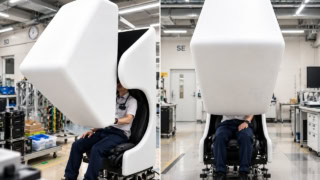
At Shenzhen-based IO-AI Tech, operators control humanoid robots using a VR rig that recalls science fiction. The setup mirrors the immersive worlds shown in Ready Player One. A worker raises an arm, and the robot raises its arm too. Every motion feeds training data into the machine, teaching it to copy human dexterity.
The work fixes a stubborn problem in robotics. Humanoid machines need vast amounts of movement data to act intelligently. Local governments across China have funded dozens of training centers to close that data gap. Trainers repeat boring tasks hundreds of times daily, folding clothes, opening microwave doors, and stacking blocks.
Demand for these pilots keeps climbing fast. IO-AI Tech actively recruits and trains a new generation of operators who can master the rigs. The talent pool widens because almost anyone can learn to wear and move a robot. That accessibility could speed humanoid adoption across factories, warehouses, and service jobs.
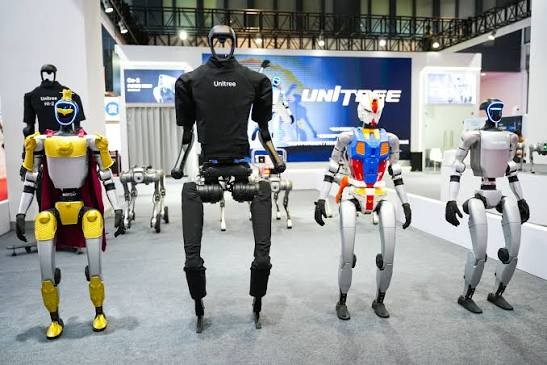
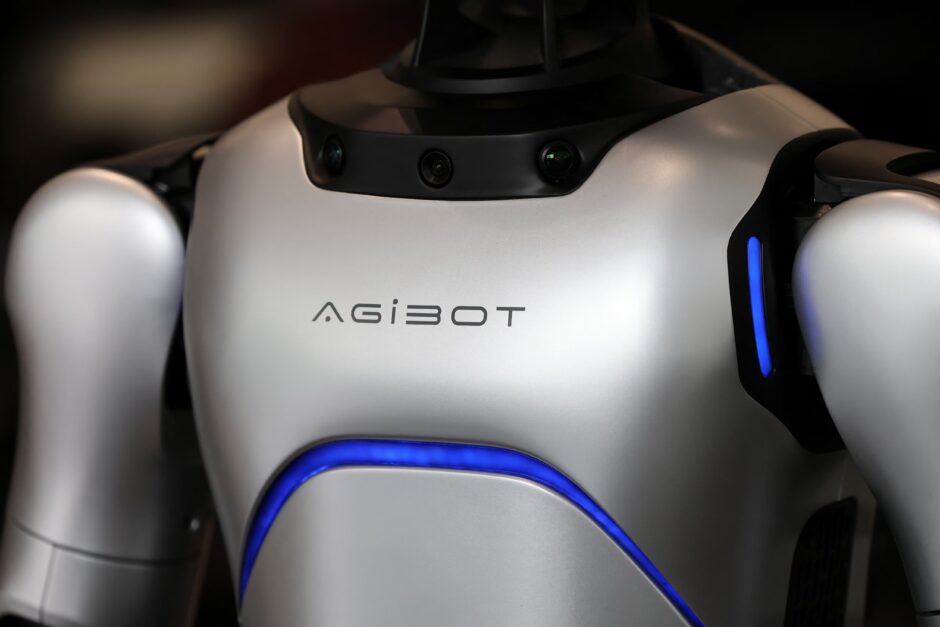
China has made embodied intelligence a national priority, pouring policy support into the sector. More than 150 humanoid companies now operate across the country. Shenzhen-based UBTECH Robotics recently sold 566 million yuan worth of robots to data collection centers in three provinces. Leading makers like Unitree and AgiBot now carry billion-dollar valuations.
Worries about overcapacity are growing too. China’s economic planning agency issued a rare warning in November about a possible bubble forming. For now, the robot pilot job keeps spreading. In Shenzhen, the fastest way to build a smarter robot still runs through a human body.