
Bitcoin is facing renewed bearish pressure as demand for downside protection in the options market surged to its highest level in a year, raising concerns that the cryptocurrency could retest the $55,000 level if selling pressure persists.
Market data shows a sharp increase in the purchase of Bitcoin put options, with traders paying significantly higher premiums to hedge against potential price declines. At the same time, the 30-day options delta skew climbed to 19%, indicating that market makers are charging more for downside protection amid growing uncertainty.
Bitcoin has struggled to reclaim the $61,000 level since last week despite improved macroeconomic sentiment following lower oil prices and easing geopolitical tensions. Analysts say the cryptocurrency continues to face headwinds from persistent outflows in U.S. spot Bitcoin exchange-traded funds (ETFs), which have now recorded seven consecutive weeks of net withdrawals.
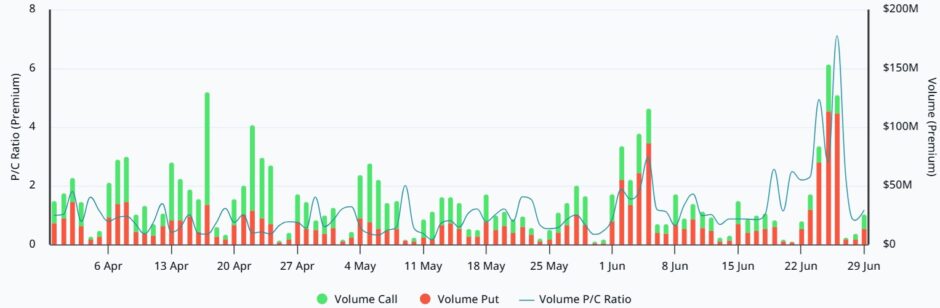
Investor sentiment has also been influenced by developments at Strategy, which recently strengthened its balance sheet by raising additional cash and setting aside a portion of its Bitcoin holdings for potential future sale. While the move eased short-term concerns over the company’s debt obligations, it also fueled debate about future Bitcoin supply dynamics.
Meanwhile, improving confidence in the broader equity market has encouraged investors to rotate capital into technology and semiconductor stocks. Strong earnings expectations and easing inflation concerns have supported the shift away from traditional safe-haven assets such as gold and Bitcoin.
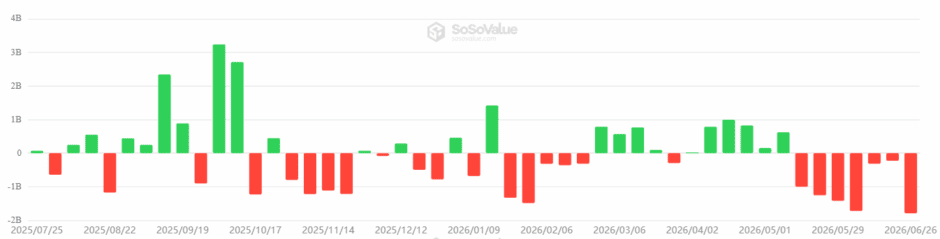
Despite the growing demand for bearish hedging, analysts caution that increased put buying should not be viewed as confirmation of an imminent market decline. Options are frequently used as insurance against volatility, and current positioning reflects heightened caution rather than a definitive expectation of lower prices.
Bitcoin’s near-term direction is likely to depend on whether it can reclaim the $61,000 resistance level and whether ETF flows begin to stabilize. Failure to do so could increase the likelihood of a retest of the $55,000 support zone in the coming weeks.