Pakistan’s re-liquefied natural gas (RLNG) import costs surged by 66 percent year-on-year in June 2026, driven by higher international oil prices, limited spot LNG cargo availability, and the absence of supplier discounts, according to a report by Arif Habib Limited.
The brokerage stated that the weighted average RLNG price on the SNGPL network recorded a significant increase during the month. The rise was primarily attributed to elevated oil-linked LNG pricing, the import of a single spot LNG cargo by Pakistan LNG Limited (PLL), and higher terminal charges.
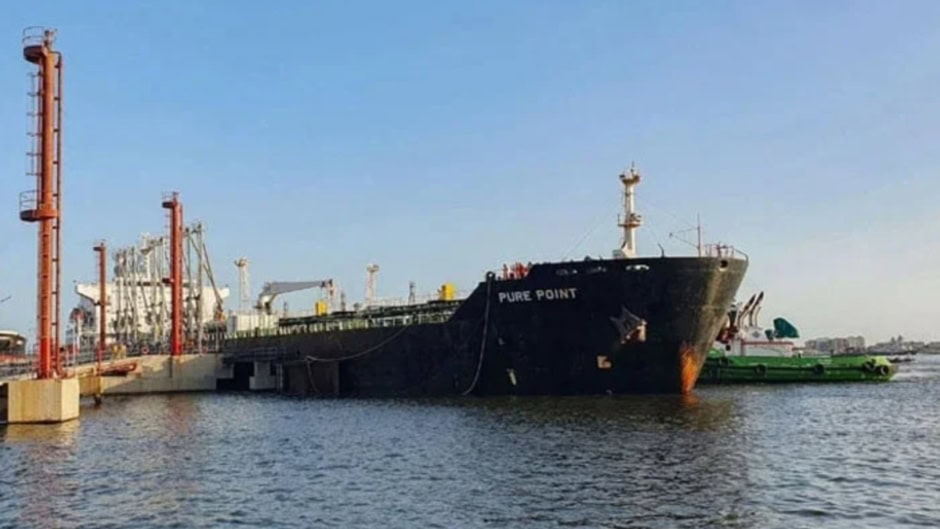
During June, Pakistan State Oil (PSO) imported three long-term LNG cargoes, with average RLNG supplies reaching 309 million cubic feet per day (mmcfd). The cargoes were procured at an average pricing slope of 13.37 percent of Brent crude oil.
Meanwhile, Pakistan LNG Limited imported one spot LNG cargo, contributing an additional 26 mmcfd to the domestic gas supply. The shipment was purchased at a slope of 19.2 percent of Brent crude on a delivered ex-ship (DES) basis, helping ease local gas shortages despite ongoing import disruptions.
The report highlights the continued pressure on Pakistan’s energy import bill as global LNG market conditions remain tight and oil-linked pricing keeps RLNG costs elevated.