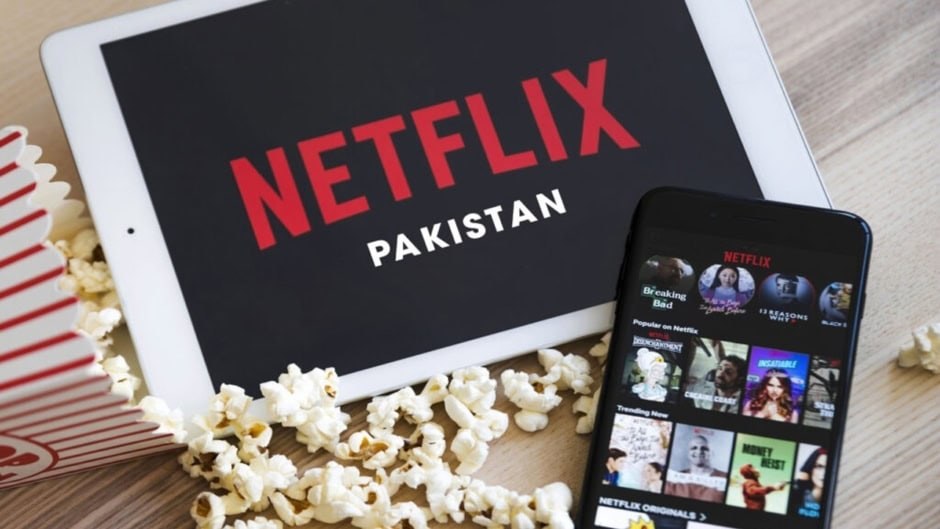
Pakistan is pushing to get its films and dramas in front of the world, and it is going straight to the streaming giants to do it. The government has opened talks with Netflix and other platforms to secure wider international exposure for local productions. Federal Minister Ahsan Iqbal announced the move on Sunday, framing it as a bet on the country’s creative economy.
The logic is refreshingly commercial, given how Pakistani dramas and films have won growing recognition abroad. Naturally, the government now treats content as a genuine export. Under the Uraan Pakistan initiative, officials want the creative industries to earn foreign exchange much like textiles or IT services. In that light, a hit drama becomes more than entertainment, since it doubles as soft power and revenue.
There is a real obstacle, though, and the minister named it plainly. Regional political considerations have limited how visible Pakistani productions are on some international platforms. To fix that, the government is engaging Netflix and Amazon Prime Video to review their regional distribution frameworks. The goal, Iqbal said, is an equitable share of space and sustainable partnerships that let local creators reach global audiences.
Alongside the negotiations, Pakistan is building something of its own. The government confirmed plans for an independent national OTT platform designed to showcase Pakistani stories at home and abroad. That gives local filmmakers a distribution channel they control, rather than relying solely on foreign gatekeepers. It also keeps more of the value inside the country.
Given how the region is maneuvering media and entertainment as a means of projecting their viewpoints to the local politics, officials increasingly view digital media as a driver of exports, jobs, and foreign earnings, all of which Pakistan badly needs. Critics in Pakistan have long argued that the imbalance runs deeper than logistics. They point to how Indian content dominates the region’s major streaming catalogs, and how some of it, from films to series, has pushed narratives that cast Pakistan in a hostile light. Analysts note that platforms flooded with one country’s perspective can quietly shape how global audiences view a conflict or a people. So for many observers, winning fair shelf space is not just commercial, since it also counters a lopsided story told largely without Pakistan’s voice in it.
If the Netflix talks succeed and the national platform launches, Pakistani content could reach far larger audiences. For a creative sector long starved of global distribution, that would mark a genuine turning point.