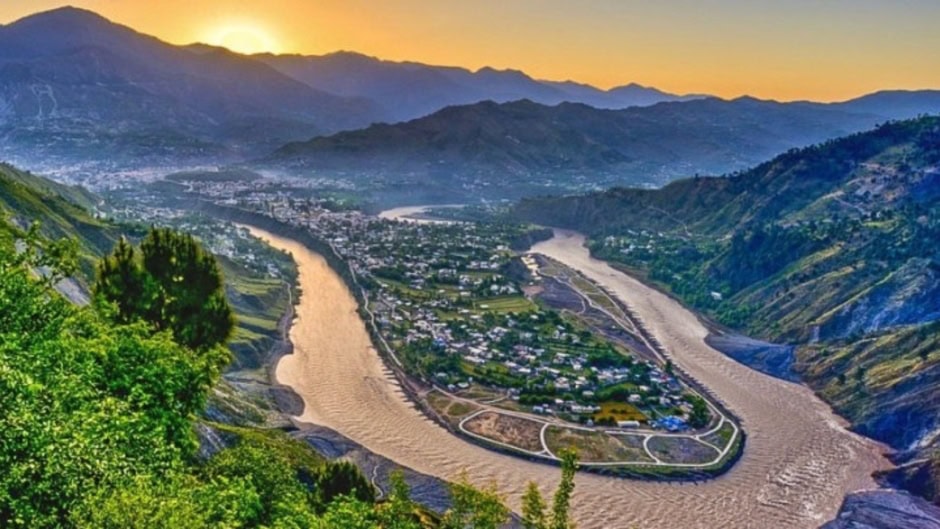
Azad Jammu and Kashmir is entering its third consecutive month without functional internet service, with mobile data suspended continuously since the first week of June 2026 and brief restorations in Muzaffarabad and Mirpur divisions followed by renewed shutdowns each time. The blackout has severed communication for residents, stranded the Kashmiri diaspora abroad without contact to their families, and made it impossible for journalists to verify local incidents in real time.
The stories coming out of AJK (or rather lack of) illustrate the damage in terms that policy language cannot capture. AJK currently lacks an active, fully functioning government or interim setup in the midst of the election chaos, creating a severe political and administrative vacuum with no official spokesperson to address public grievances.
The blackout’s impact on information integrity is particularly dangerous in a region prone to political tension and periodic unrest. Without internet access, immediate fact-checking of local incidents and circulating video footage has become impossible, fueling the risk of widespread rumors and misinformation filling the void that verified reporting would normally occupy. Journalists operating inside AJK cannot upload footage, verify claims against source material, or communicate findings to editors outside the region in real time.
The Kashmiri diaspora has borne the emotional weight of this blackout across two full months of separation from their homeland. WhatsApp, the primary communication channel connecting overseas Kashmiris to their families, has been completely inaccessible inside AJK since the shutdown began. Slow local cellular networks make even simple voice calls frustratingly difficult, meaning families separated by geography have had no reliable way to check on each other during a period that now stretches past 60 days.
The victims of these shutdowns are predominantly students who cannot access online learning platforms, business owners whose e-commerce operations have collapsed entirely, freelancers who have lost their income streams, and ordinary citizens stripped of their primary mode of cheap and fast communication. In remote areas where PTCL coverage does not exist, residents cannot even install landline broadband as an alternative, leaving them with no connectivity options whatsoever.
Internet services are currently available in the Mirpur Division (including Mirpur city, Kotli, Bhimber, Afzalpur, Chakswari, Islamgarh, Dadyal, Jatlan, and Mangla Hamlet) and a few parts of the Muzaffarabad Division, though cellular data speeds remain slow.
The AJK shutdown runs parallel to prolonged internet disruptions across parts of Balochistan, where some districts have experienced suspended mobile internet service for significantly longer periods. Panjgur district has had mobile internet continuously suspended since 2022, except for a brief 10-day restoration in September 2025. Mastung has been offline for three years straight, while Khuzdar has been without service for two and a half years and Qalat for eighteen months.
Authorities have cited security concerns as the justification for these prolonged suspensions.