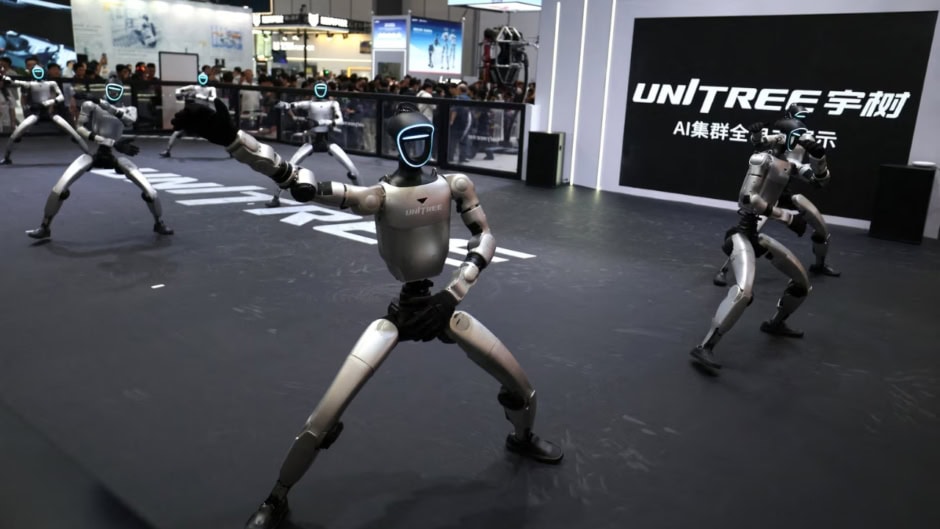
Nexa Robots, a Pakistani startup specializing in automation, is looking eastward for its future. During the Beijing World Robot Conference 2026, chief executive H.M. Hafeez articulated a bold strategy: forging tighter alliances with Chinese hardware makers and software creators to establish Pakistan’s very first authentic robotics sector.
At present, Nexa functions primarily as an importer and reseller for Pudu Robotics, a Chinese brand. However, Hafeez aims to transcend the role of a simple intermediary. His objective is to cultivate domestic expertise in artificial intelligence, software tailoring, and systems integration entirely within Pakistan.
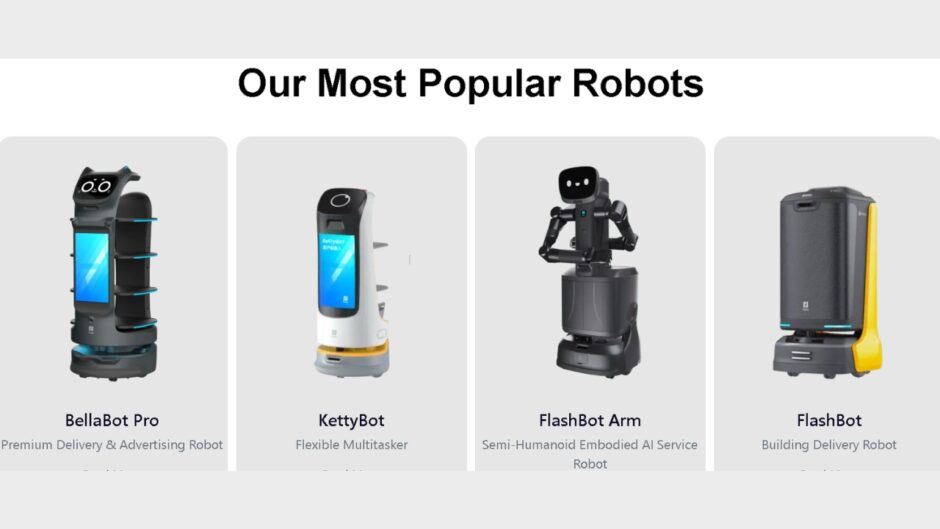
Operations for Nexa had humble beginnings. Back in autumn 2023, Minhaj University Lahore integrated Nexa’s machines into its library and administrative reception. Visitors on campus today will observe these units welcoming guests, providing directions, and answering routine inquiries. While these tasks are mundane, they demonstrate that the hardware can operate reliably in actual Pakistani environments.
As the company puts it:
With a firm belief in the boundless potential of robotics, [Nexa Robotics is] dedicated to introducing solutions that are easily accessible and user-friendly. We envision a future where robots seamlessly integrate into daily routines, transforming the way we live, work and engage with the world.
The biggest issues Hafeez faces is that firms fret over the investment. They question if automation can handle chaotic everyday workflows, and worry about finding skilled technicians for upkeep. Given the abundance of affordable labor in the country, executives often question the financial logic of automation.
Take a hospitality venue running machines around the clock. It might recover its investment within 24 months. Yet, typical enterprises deploy them only occasionally, lengthening the return period, and prolonged payback windows frequently cuts sales.
To counter this, Hafeez advocates for a shift toward leasing arrangements and robotics-as-a-service frameworks. Permitting companies to rent rather than purchase reduces initial friction, helping them grow accustomed to the systems.
Even so, executing this strategy requires resources China excels in supplying: funding and specialized parts. Nexa has already begun domesticating elements like AI, software adaptation, and integration to ensure jobs and know-how remain in-country. Meanwhile, the physical hardware continues to ship from Shenzhen. Domestic fabrication could eventually replace imports if demand scales up, though that remains a future prospect.
This path mirrors the typical growth trajectory of enterprises in developing economies such as Pakistan. Success rarely stems from reinventing the wheel; rather, it grows out of plugging into established supply chains, leveraging tested tech, and progressively embedding domestic value.
If Hafeez succeeds, Pakistan will transition from simply reselling foreign robots to developing a domestic robotics market from the ground up.