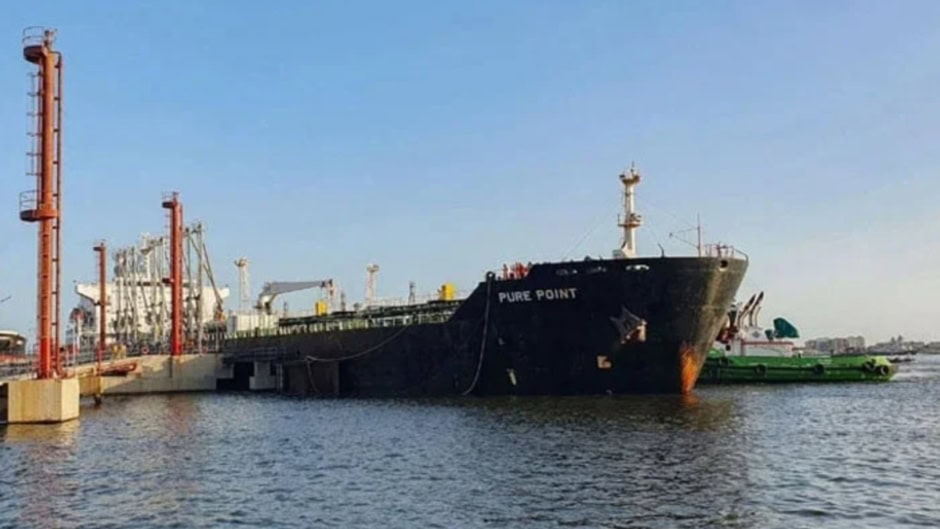
Pakistan’s petroleum import bill surged to around $7.7–$7.9 billion during the five months from March to July 2026, marking an increase of nearly 20% compared with approximately $6.6 billion during the same period last year.
The rise has been driven by the Iran war and disruptions to energy shipments through the Strait of Hormuz, which have pushed up crude oil and LNG prices while also increasing freight, marine insurance, and security costs.
Official trade data showed that Pakistan’s petroleum import bill increased from around $983 million in March to approximately $1.28 billion in July.
The bill reached its highest level in June at nearly $1.91 billion, representing an increase of about 46% year-on-year.
The sharpest year-on-year increase was recorded in April, when Pakistan’s petroleum import bill reached approximately $1.79 billion, compared with $1.35 billion in April 2025.
Although the import bill declined in July, petroleum imports remained significantly higher during the March-July period compared with the corresponding period of 2025.
Higher LNG prices have further increased Pakistan’s foreign-exchange requirements. Petroleum-group imports in June included approximately $221.5 million worth of LNG.
The disruption of shipping through the Strait of Hormuz has increased the cost of energy cargoes by raising crude and LNG prices as well as freight, marine insurance, and security expenses.
Pakistan was already facing a rising petroleum import bill before the latest energy shock. Petroleum-group imports reached approximately $16.86 billion in FY2025-26, up 5.76% from the previous year, while crude oil imports increased by more than 31%.
The impact of the Iran war and Hormuz disruption has extended beyond Pakistan, affecting major energy-importing economies across South Asia and other regions.
According to the Centre for Research on Energy and Clean Air (CREA), the conflict involving the United States, Israel, and Iran increased the global oil and gas import bill by as much as $330 billion between March and August 2026.
Europe recorded the largest increase at approximately $78 billion, followed by China at $35 billion and India at $22 billion.
India’s crude oil import bill rose by 56.5% to $63.4 billion during April-July 2026, despite broadly stable import volumes. The average price of imported crude reached around $114.48 per barrel in April, compared with $67.70 a year earlier.
Bangladesh has also experienced a major increase in energy import costs. Bangladesh Bank data showed that petroleum-goods imports more than doubled to $10.64 billion in FY2025-26, compared with $5.14 billion a year earlier.
The country has also faced higher LNG costs after disruptions forced Petrobangla to replace some planned long-term supplies with more expensive spot cargoes.
CREA estimates that Asian LNG prices averaged 75% above pre-war expectations between March and August 2026.
Bangladesh purchased 11 LNG cargoes for March-May at an average price of $21.35 per MMBtu, costing around $880 million.
The continuing energy shock is emerging as a broader economic challenge for Pakistan and other South Asian economies.
Higher energy import costs increase pressure on foreign-exchange reserves, inflation, trade balances, and external financing requirements.
For Pakistan, any prolonged disruption around the Strait of Hormuz could keep fuel and LNG costs elevated, placing additional pressure on the country’s import bill and external account.