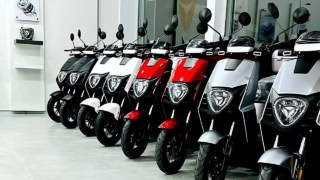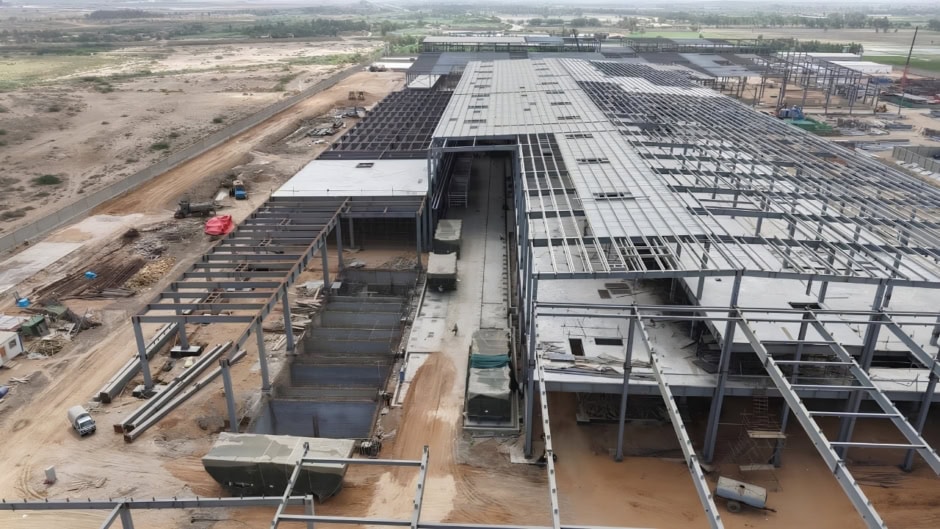
Hub Power Company (Hubco) has officially pushed back the launch of its BYD EV assembly plant in Gharo, Sindh. Originally, the facility was scheduled to start operations in the first half of FY26. Instead, the company completely missed that deadline. Now, Hubco aims to bring the plant online in the second half of 2026. However, two months of this new timeline have already passed without any visible progress.
Back in June 2024, Hubco entered the electric vehicle market through a joint venture with China’s BYD. Mega Motor Company (MMCPL), a subsidiary where Hubco holds a 50% stake, manages the project. The management reports a massive $150 million total investment. This includes $90 million in project financing.
Initially, Hubco promised to build four flagship dealerships and three service centres across three major Pakistani cities. The ultimate goal is to capture a 30% share of the EV and PHEV market by 2030.
Despite these massive claims, Mega Motor remains completely silent. The company blatantly ignored press queries regarding the reasons behind the delay. Furthermore, they refused to comment on the plant’s current status, localization plans, or initial import numbers.
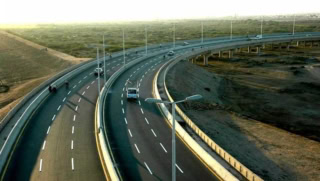
While the assembly plant stalls, Hubco continues to expand its EV charging network under the Hubco Green banner. Currently, the company operates 24 DC fast-charging sites. These stations sit every 200 kilometres along the Karachi-Peshawar motorway network. Ultimately, Hubco plans to reduce this distance gap to just 100 kilometres. Consequently, drivers can recharge their vehicles in roughly 25 to 45 minutes at these stations.
BYD EV Assembly Plant Delayed As Chery Q Capitalizes on Market Growth
As BYD struggles with delays, competitors are moving fast. Chery Master Pakistan (CMP) officially announced the launch of its all-electric Chery Q. The debut will take place at the upcoming Pakistan Auto Show (PAPS) on September 18.
This launch perfectly aligns with massive domestic market growth. In fact, the New Energy Vehicle (NEV) segment skyrocketed by 392% during FY26. Today, electric vehicles make up nearly 15% of Pakistan’s entire automobile market.
CMP is aggressively targeting the growing rooftop solar sector to boost its sales. Specifically, the company highlights the massive financial savings that electric vehicles offer. For instance, a conventional petrol car driving 20,000 kilometres a year burns approximately Rs. 488,000 in fuel.
Conversely, the Chery Q offers an efficiency of 7.2 kilometres per unit. Therefore, households using surplus solar power to charge their cars can slash their annual operating costs to a mere Rs. 30,000. Ultimately, these economics make the transition to EVs incredibly attractive for Pakistani consumers.