Poseidon Aerospace has raised $60 million to fund its first uncrewed test flight. The startup wants to rethink cargo aircraft economics entirely. Specifically, it plans to remove pilots from the equation completely. This Series A round arrives ahead of that landmark flight.
TQ Ventures led the funding round for the company, and new investors included Hanwha Asset Management, G Squared, and JAWS. Existing backers Starship Ventures and Draper Associates also participated. The raise follows an $11 million seed round secured last year.
The company was founded by CEO David Zagaynov and Parker Tenney. Zagaynov previously worked on logistics at Amazon, meanwhile, Tenney came from aerospace giant Lockheed Martin. Together, they wanted to improve cargo rather than chase flashy technology.
“When you have a pilot, they have a maximum amount of hours that they can fly. So if they fly a five-hour leg in one direction, they’re not able to come back home. And unless you have a relief [pilot], then you have to pay for them to spend the night somewhere,” David Zagaynov said. “The plane is like a very expensive asset that spends most of its life just waiting.”
Notably, Poseidon deliberately avoids the trendiest aviation technologies. It skips vertical takeoff and landing systems entirely. Additionally, it uses no hydrogen or electric powertrains at all. Instead, its aircraft are fixed-wing planes using regular combustion engines.
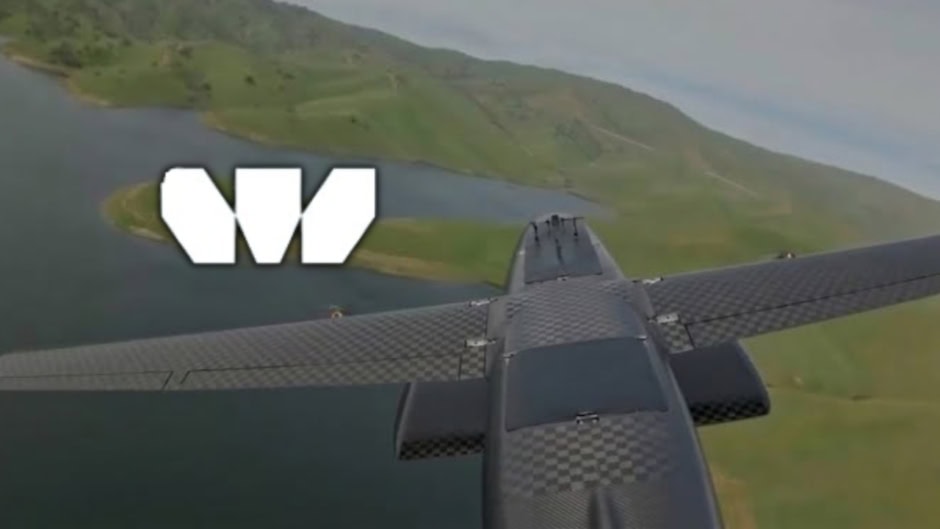
The startup’s aircraft are named Egret and its seaplane variant Heron. Zagaynov describes the philosophy as building a cheap box with wings. He argues carbon fuels remain hard to beat on energy density. Consequently, removing pilots unlocks a much lower cost structure.
Ditching pilots frees Poseidon to redesign the aircraft fundamentally. Engineers can remove the cockpit and life support systems entirely. This pulls significant structural weight out of the plane. As a result, lighter engines and better payload ratios become possible.
“Get rid of the cockpit; get rid of the life support systems,” Zagaynov added. “You get to pull a ton of structured weight out, which then means that your ratio of payload to empty weight changes. Your engines can be much lighter, much more efficient, and so it’s like a virtuous cycle in the positive direction of just lighter, cheaper.”
The autonomy also enables far more flexible operations overall. Human pilots face strict maximum flight hour limits. Therefore, uncrewed planes can fly routes without costly overnight stays. This lets Poseidon shift routes quickly when regional demand spikes.
Poseidon is initially targeting defense and regional commercial cargo. On defense, it aims to serve remote, underserved routes. These include locations with degraded or nonexistent infrastructure. Notably, the company has flagged China already testing cargo drones.
On the commercial side, Poseidon will operate its own service. It plans competing for business from carriers like FedEx. The company now occupies an old Navy hangar in Alameda. Its full-size, 50-foot-wingspan aircraft should fly by year-end.