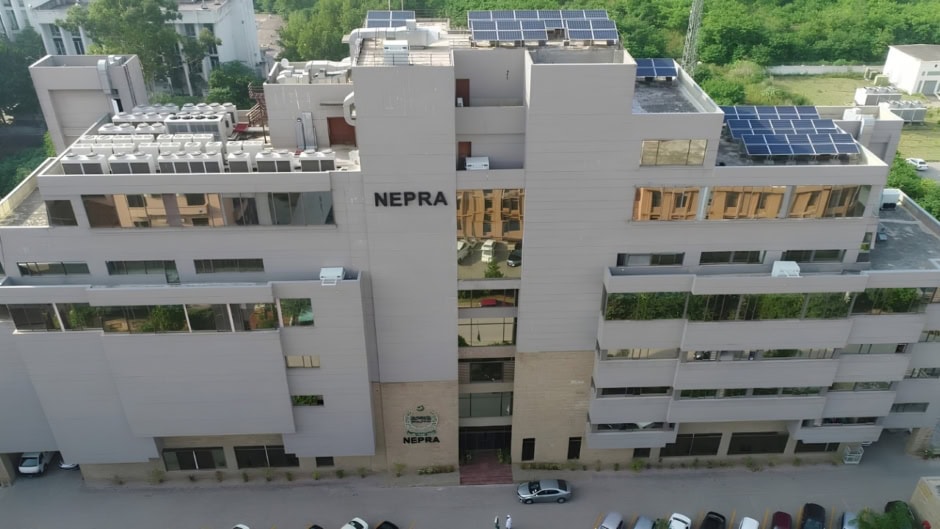
A recent National Assembly Standing Committee on Information Technology and Telecommunications session uncovered a 22-year-old bureaucratic dispute threatening Pakistan’s digital connectivity. The committee investigated severe network disruptions caused by ongoing power load-shedding and summoned NEPRA over denying industrial power tariffs to the telecom sector.
A member warned the committee about the crisis. Frequent power cuts disrupt network services continuously, dealing a severe blow to freelancers and the broader public. To mitigate this, telecom authorities are currently negotiating with NEPRA and the Power Division to secure dedicated electricity connections and express feeders for telecom infrastructure.
The core issue lies in NEPRA’s refusal to recognize the telecom sector as an industry. The government officially granted the telecom sector industry status in 2004. The Finance Act of 2021 explicitly reaffirmed this status. Even court decisions are feeling the impact of this unresolved issue.
Despite official legislation, NEPRA refuses to acknowledge the decision or apply industrial power tariffs to telecom operators. A Member of Telecom highlighted the absurdity of the situation. He noted that the government classifies poultry farms and buffalo sheds as industries, yet NEPRA denies the same status to critical telecom infrastructure.
Committee member Sadiq Memon criticized the regulator’s defiance. He pointed out that 22 years have passed since 2004, yet a government institution still refuses to comply.
The committee took strict action. Lawmakers ordered the Ministry of IT and Telecom (MoITT) to complete all necessary paperwork immediately. Furthermore, the committee officially summoned NEPRA officials to explain their refusal to grant the industrial tariff.
The MoITT Secretary outlined the long-term strategy. Securing an industrial tariff will generate major operational savings for telecom companies. In return, MoITT will pressure these companies to reinvest those exact savings into backup batteries to stabilize network towers during power outages.