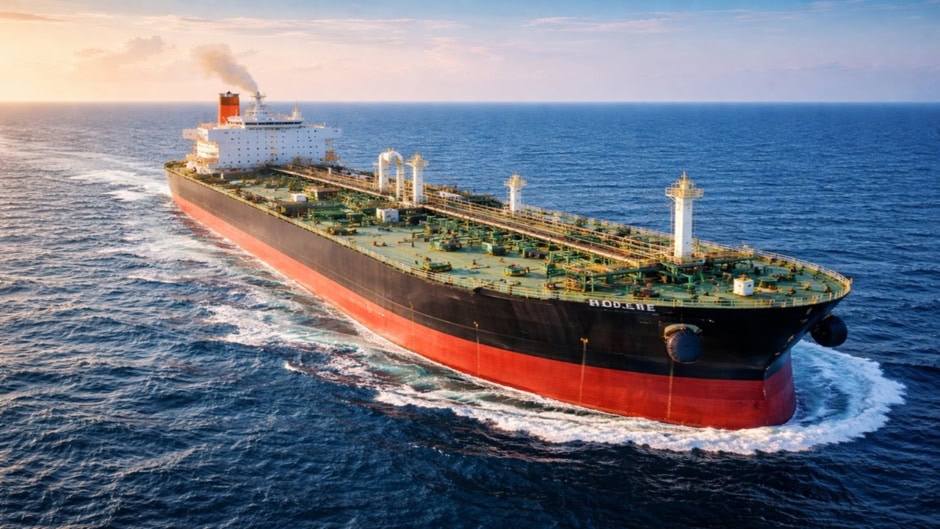
A shortage of large oil tankers has emerged as a major pressure point for global energy markets, with disruptions around the Strait of Hormuz pushing crude shipping costs to unprecedented levels.
Very Large Crude Carrier (VLCC) charter rates on key Middle East-to-Asia routes have crossed $1 million per day. The Baltic Exchange’s Arabian Gulf-to-China VLCC assessment reached around $1.1 million per day in mid-September, while a reported Saudi Arabia-to-China voyage also exceeded the $1 million mark.
The tanker shortage has intensified following disruptions to Saudi Arabia’s East-West oil pipeline. The 1,200-kilometre pipeline was designed to transport crude to the Red Sea and reduce Saudi Arabia’s reliance on the Strait of Hormuz.
Three pumping stations were damaged in a drone attack, forcing the pipeline to shut down temporarily. Industry sources estimate that repairs could take five to six weeks, although partial operations may resume sooner.
The disruption has pushed more Saudi crude shipments through the Strait of Hormuz, adding pressure to an already limited fleet of large oil tankers. Shipping traffic through the strait also remains significantly below normal levels, with 17 commodity vessels crossing during the weekend compared with 37 the previous week and a pre-war average of around 125 vessels per day.
Saudi producers are increasingly relying on short-distance shuttle operations and ship-to-ship transfers to keep crude exports moving. However, these arrangements are more expensive and complex than conventional shipping.
Global VLCC earnings have also climbed to around $651,107 per day, nearly twice the level recorded before the East-West pipeline disruption. Rates on other major tanker routes have also increased as the availability of vessels tightens.
Security concerns are adding further pressure to shipping costs. Some operators are avoiding the Bab el-Mandeb route because of attack risks and are instead sending vessels around the Cape of Good Hope. The longer route adds weeks to voyages and increases fuel and chartering expenses.
Higher tanker rates could keep global fuel prices elevated even if crude oil prices begin to ease. Rising transportation costs are increasing expenses for refiners and putting additional pressure on the global energy supply chain.
With a significant portion of the VLCC fleet tied up around the Gulf, Oman and longer alternative routes, the tanker shortage has become an important factor for global oil markets, potentially affecting crude deliveries, refinery costs and fuel prices worldwide.