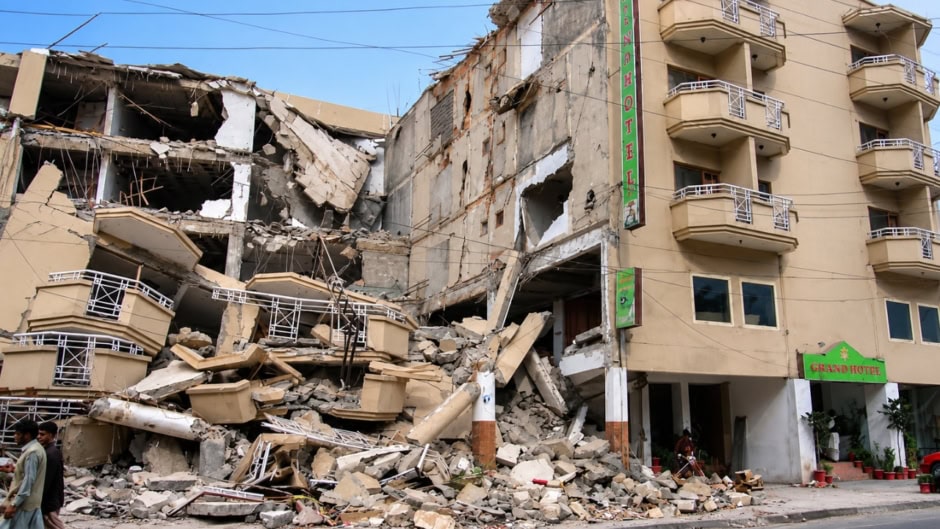
Earthquakes account for nearly half of all natural disaster deaths worldwide, according to the World Health Organization. Yet no scientist on Earth can reliably predict when or where the next major quake will strike. A 2023 editorial in Nature Computational Science confirmed that the USGS has never successfully predicted a major earthquake. The agency also does not expect to achieve this in the foreseeable future.
The core problem is deceptively simple. Small and large earthquakes start the same way. A magnitude 3.0 tremor and a magnitude 7.8 catastrophe both begin with the same type of fault rupture. Scientists therefore cannot tell early on whether a rupture will stop quickly or cascade across hundreds of kilometers. Proposed warning signs like radon gas in groundwater and unusual animal behavior have also shown weak results. Some quakes produce these signals. Many, however, do not.
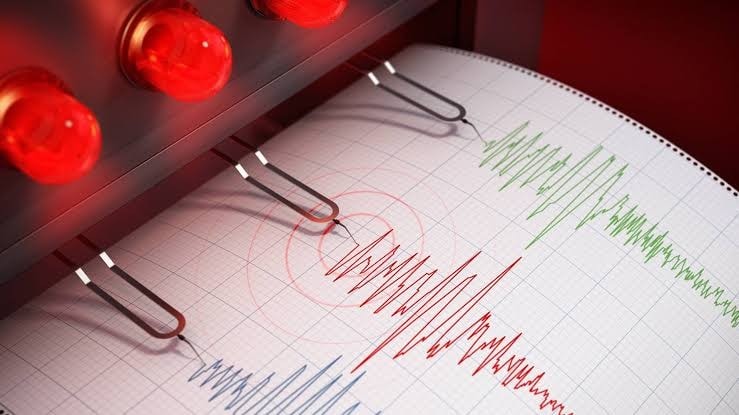
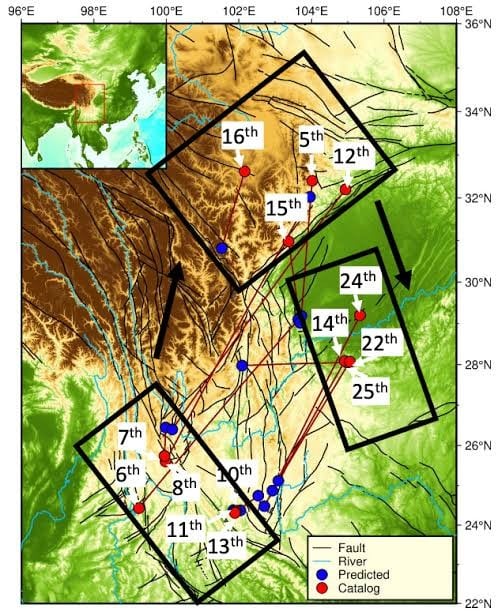
In 2024, a University of Texas team built an AI model that forecast earthquakes in China up to a week ahead with 70% accuracy. The USGS, however, called it only a “reasonable first step.” Meanwhile, Caltech’s Zachary Ross used machine learning to detect smaller quakes that traditional instruments missed. These efforts consequently treat AI as an assistant to seismologists, not a replacement. A major bottleneck remains data, because reliable digital seismic records only go back about 25 to 30 years.
Technology cannot predict earthquakes, but it can still save lives through early warning. Japan’s network of over 1,000 seismometers detects fast-moving P-waves before slower, destructive S-waves arrive. This gives residents seconds of warning. In those seconds, trains brake automatically and factories shut down gas lines. The US similarly added GPS satellite data to its ShakeAlert system in 2025.
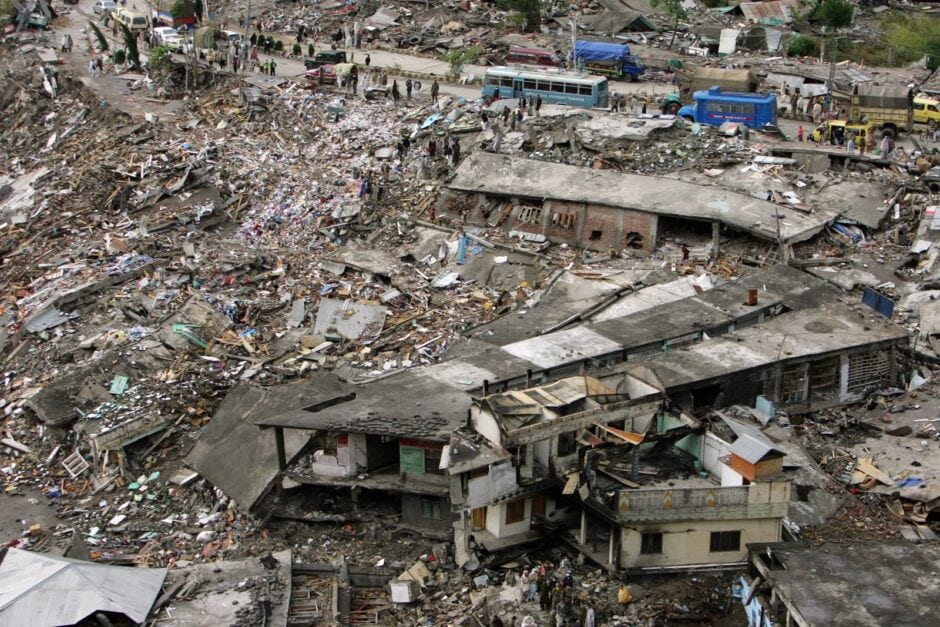
Today marks 21 years since Pakistan’s deadliest earthquake. On October 8, 2005, a magnitude 7.6 quake struck near Muzaffarabad and killed over 74,000 people. More than 3.3 million lost their homes. About 60% of buildings in the area consisted of unreinforced masonry. Pakistan then adopted a building code in 2007, but enforcement remains weak. In July 2025, officials identified roughly 700 unsafe buildings in Karachi alone.
Pakistan can act now by enforcing its existing building code, deploying a dense seismic sensor network, running regular earthquake drills, and restricting construction near known fault lines. Japan proves every year that preparation, not prediction, saves lives.