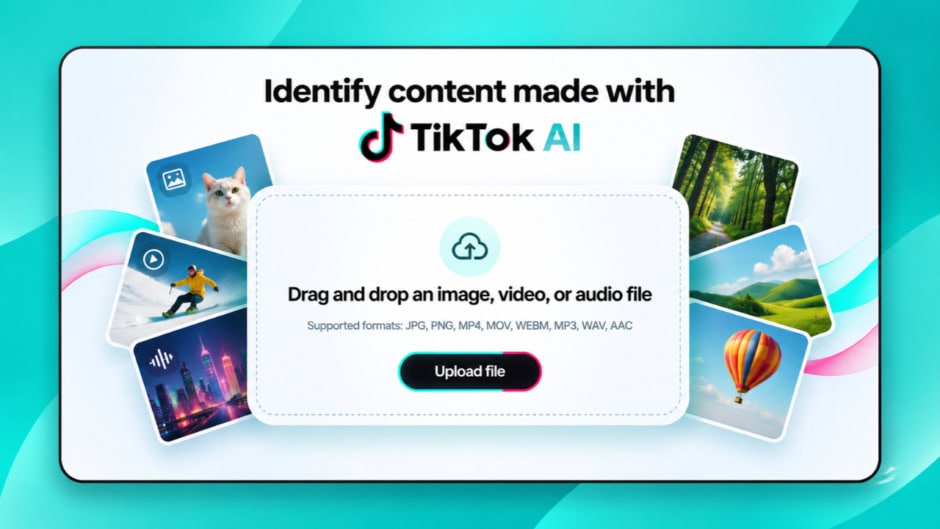
TikTok launched an AI transparency tool that lets anyone check if a video or image was made using its AI features. The platform also introduced creator likeness detection and a major redesign of its parental controls. All three updates arrived at TikTok’s third Safety and Innovation Summit last week.
The AI content detection tool works through TikTok’s Transparency Center. Users can upload any image or video to check for signs of TikTok’s digital watermarking. As a result, they can verify whether the content came from TikTok’s AI creation tools. The feature works even for people who do not have a TikTok account. This could help reduce the spread of AI-generated misinformation across the platform.
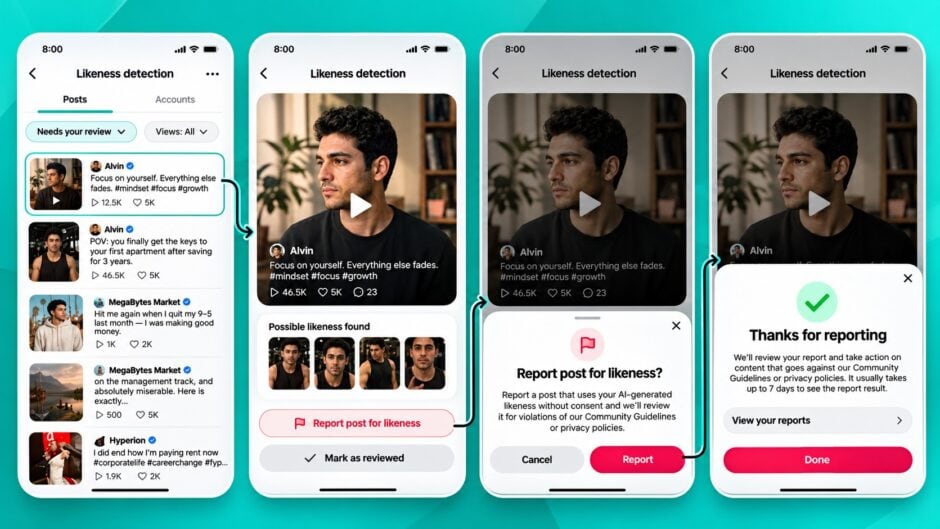
For creators, TikTok introduced a likeness detection feature. Creators can verify their identity through a trusted third-party partner. Once verified, the system scans incoming uploads and flags content that includes their likeness. Creators can then report flagged content directly to TikTok’s safety teams. The platform will remove any content that violates its rules against harmful or nonconsensual depictions of private individuals. This tool targets the growing problem of AI-generated deepfakes that use real people’s faces without permission.
The biggest changes affect parents. TikTok redesigned its Family Pairing feature with more visibility into how teens use the app. Parents can now watch a sample of content from verified creators their teen follows. According to TikTok, more than 80% of parents it surveyed said they wanted this kind of feature. Additionally, the platform made screen time data more prominent within Family Pairing. Parents can now see exactly when during the day their teen is most active.
TikTok also announced a new alert system for self-harm searches. Working with leading experts, the platform will notify parents if their teen repeatedly searches for known terms related to self-harm. The notification will include expert-backed guidance on how to start a conversation. This feature addresses one of the most serious concerns parents and regulators have raised about the platform’s impact on young users.
Finally, TikTok released an Educator’s Guide. It provides teachers with resources to help teens develop mindful social media habits. The guide arrives as multiple countries consider or implement teen social media bans, including Australia’s recently proposed legislation.