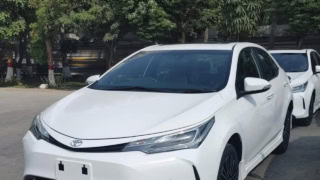
Pakistan Customs classified seven imported car series as New Energy Vehicles (NEVs). The ruling covers models including the Toyota Raize and Nissan Note Aura. It could lower their import costs under Auto Policy 2026-31.
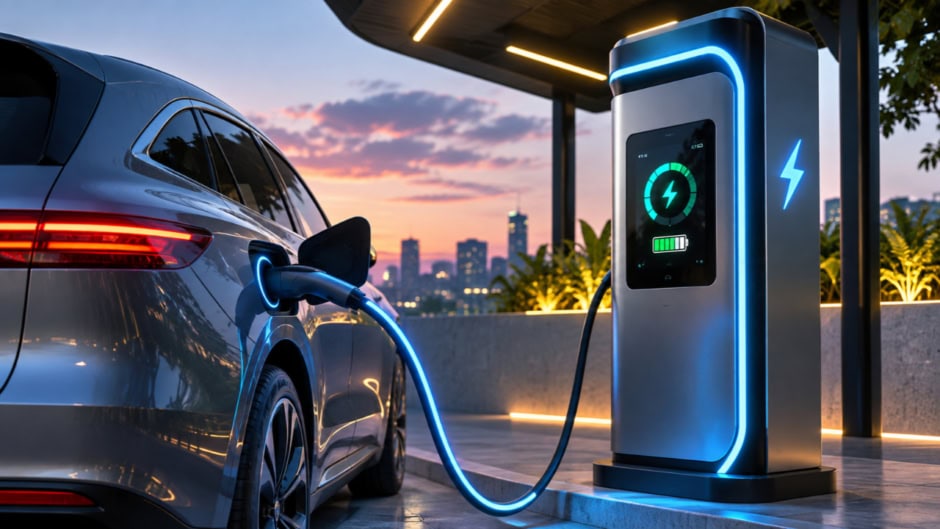
The decision centers on a specific type of vehicle called Range-Extended Electric Vehicles (REEVs). These cars carry a petrol engine, but it never directly drives the wheels. Instead, the engine only generates electricity to power an electric motor. That motor then delivers all the force that moves the car. Because the wheels run entirely on electric power, Pakistan Customs classified these vehicles under the EV category rather than the hybrid category.
The Classification Committee of the Collectorate of Customs (Appraisement-East) in Karachi originally issued this classification in February 2026. However, Indus Motor Company, Toyota’s assembler in Pakistan, challenged the ruling. Toyota Indus argued that any vehicle carrying a petrol engine should fall under the hybrid category instead.
The FBR rejected that appeal on November 16, 2026. It upheld the classification under Rule 2 of the Pakistan Rules to the General Rules of Interpretation. The FBR also referenced a US Customs ruling on the Nissan Kicks e-Power, which shares the same range-extended architecture. US authorities classified that vehicle under the electric category for the same reason: propulsion comes exclusively from the electric motor.
The classification matters because of the tax treatment that comes with it. Under Auto Policy 2026-31, NEVs receive significantly lower customs duties, reduced sales tax, and other incentives. Battery Electric Vehicles already qualify for just 1% sales tax. If REEVs retain their NEV classification through the final policy framework, importers could pass on the savings. However, no official retail price reduction has been confirmed yet.
The dispute reveals a broader tension in Pakistan’s auto sector. Existing assemblers like Toyota and Honda view the NEV classification as a threat to their conventional and hybrid vehicle sales. Meanwhile, newer entrants and importers see it as an opportunity to bring competitively priced electric-drive vehicles into the market.
Pakistan’s NEV Policy 2025-2030 targets 30% of new vehicle sales, roughly 2.2 million vehicles, to come from new energy sources by 2030. Sales of electric two-wheelers have already jumped from 60,000 in FY2025 to 240,000 in FY2026. The classification of REEVs as NEVs adds another category of vehicles that could benefit from the growing incentive framework.
The final Auto Policy 2026-31, which PM Shehbaz Sharif approved in draft form, divides NEVs into three categories: Battery Electric Vehicles, Plug-in Hybrid Electric Vehicles, and Range-Extended Electric Vehicles. The policy also includes toll exemptions for NEVs on motorways and national highways.
For now, the FBR ruling stands. The seven classified models will continue receiving NEV treatment at the import stage unless a higher authority reverses the decision.