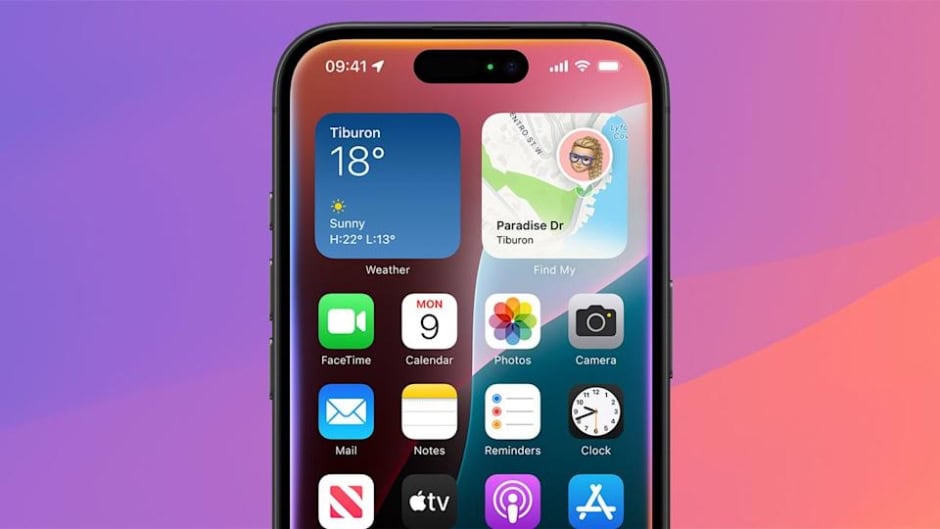
Apple is set to introduce iOS 27, iPadOS 27, and macOS 27 on June 8 at its Worldwide Developers Conference. A new report from Bloomberg reveals that all three operating systems will support AI extensions.
These AI extensions will allow users to access generative AI features from installed apps whenever needed. According to the report, this will work through Apple Intelligence tools like Siri, Writing Tools, and Image Playground. As a result, users will get more flexibility while using AI across their devices.
In simple terms, users can rely on Apple’s built-in tools or switch to third-party services. This system will support tasks like writing, editing text, creating images, and even holding conversations. Therefore, the overall experience will feel more connected and smooth.
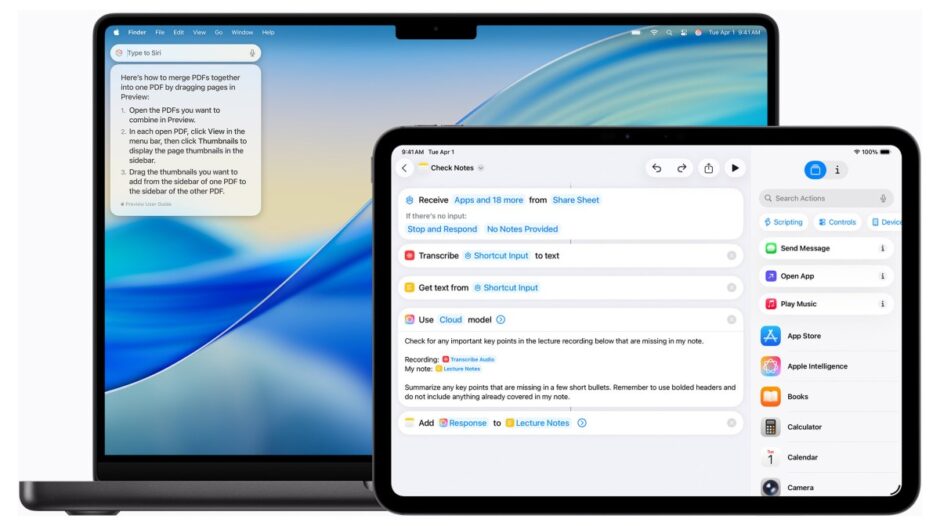
Another key detail stands out. Each AI model may use a different voice. This means users can easily recognize which AI is responding. For example, Siri will likely keep its own voice, while third-party tools may use separate ones. However, it is still unclear how much customization Apple will allow.
At the same time, third-party developers will likely need to update their apps to support this new system. Still, most companies are expected to adopt it quickly. Once integration is complete, users can choose different AI tools for different tasks. For instance, Claude could help with writing, Gemini could handle image creation, and ChatGPT could manage conversations through Siri.
This move signals a clear shift in Apple’s AI strategy. Instead of competing directly with platforms like ChatGPT, Gemini, and Claude, the company appears to be opening its ecosystem. By doing so, Apple is positioning itself as a platform that connects leading AI services rather than replacing them.