Apple is deepening its reliance on Samsung for RAM supplies amid a sharp global surge in memory prices, marking a pragmatic evolution in its supply chain strategy.
This shift underscores how escalating costs for high-performance memory are forcing even industry giants to prioritize stability over historical rivalries, as demand from AI servers, data centers, and consumer devices outstrips production capacity.
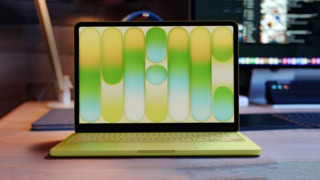
Apple, which is gearing up for next-generation iPhones, Macs, iPads, and Vision Pro devices, has an growing appetite for ever-higher RAM for on-device AI processing. They are also looking to streamline multitasking and graphics-intensive features for their upcoming line of gadgets.
With memory suppliers like Samsung, SK Hynix, and Micron tightening allocations to chase higher-margin contracts (particularly for AI-focused HBM and DDR5), Apple faces mounting pressure to secure volume and pricing predictability. Reports from industry analysts, including TrendForce and DigiTimes in late 2025, indicate Apple has increased orders from Samsung Electronics’ memory division to mitigate risks of shortages that could delay launches or inflate costs.
Historically tense, Samsung and Apple have battled in smartphones for over a decade. However, their backend relationship has always been interdependent. Samsung has long supplied displays, NAND flash, and DRAM to Apple, even during peak courtroom drama. But the current dynamics elevate memory to strategic priority status.
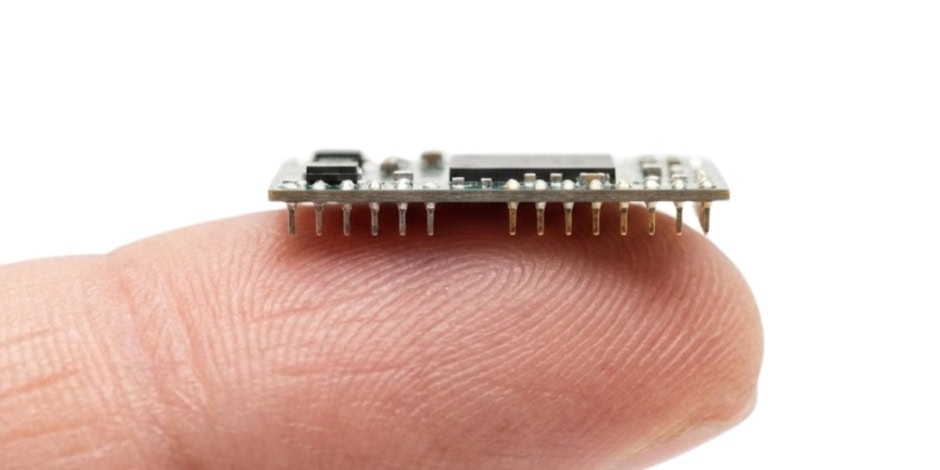
RAM prices for mobile and PC applications rose 20-30% in Q4 2025 alone, driven by AI server demand absorbing much of the industry’s advanced capacity. This leaves consumer electronics firms competing for scraps, prompting Apple to lean harder on Samsung’s scale as the world’s largest DRAM producer.
Higher component costs could pressure margins, potentially leading to pricier devices, reduced base RAM in entry models, or segmented configurations (e.g., more Pro-tier upgrades). Developers relying on high-memory Macs for AI/ML workflows may face steeper upgrade paths, while enterprise and education buyers could see refreshed pricing or delayed volume availability.
Apple’s closer Samsung ties could strengthen its negotiating leverage but also increase exposure if geopolitical tensions or supply disruptions hit South Korea. Strategically, the pivot aligns with Apple’s risk-mitigation playbook: diversifying where possible but consolidating with proven partners when alternatives shrink. It complements investments in custom silicon (A-series/M-series chips) that optimize for specific memory types, ensuring performance gains even amid cost pressures.
While neither company comments publicly on supplier volumes, the trend is clear from supply chain leaks and analyst forecasts. As AI drives insatiable memory hunger, Apple’s Samsung embrace highlights a new reality.