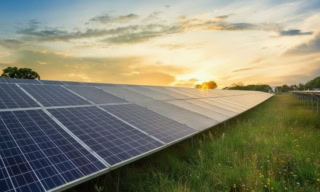
Pakistan’s rapid adoption of rooftop solar energy has significantly reduced dependence on imported fuels and lowered electricity costs for households, but a proposed tax increase in the upcoming federal budget could slow the momentum of the country’s solar transition.
According to a pre-budget report by Renewables First, Pakistan’s imports of oil and liquefied natural gas (LNG) declined by nearly 40 percent between 2022 and 2024 as consumers increasingly turned to solar energy systems.
The report highlights that the widespread availability of low-cost solar panels imported from China, combined with favorable tax policies, has enabled millions of households and businesses to generate their own electricity. As a result, consumers have been able to increase the use of appliances such as air conditioners without relying entirely on expensive grid electricity.
However, concerns are growing over a proposal under consideration in Budget 2026-27 to increase the sales tax on solar panels from 10 percent to 18 percent. Industry stakeholders warn that such a move could increase installation costs and slow the pace of solar adoption across the country.
The report estimates that Pakistan has already saved approximately $12 billion in LNG imports between 2021 and February 2026 due to the expansion of solar energy. If current energy market trends continue, an additional $6.3 billion in savings could be achieved in the coming years.
Researchers estimate that Pakistan’s installed solar capacity reached around 53 gigawatts by March 2025, driven largely by rooftop and distributed solar systems rather than centrally planned utility-scale projects.
The transition toward solar energy has also helped reduce exposure to currency depreciation, inflationary pressures, and fluctuations in global energy prices, providing households and businesses with a more affordable source of electricity.
Experts note that Pakistan remains vulnerable to external energy supply disruptions, particularly through critical trade routes such as the Strait of Hormuz. However, the rapid growth of distributed solar generation has created a substantial buffer against future import shocks.
Analysts believe the government’s final decision on solar taxation in the upcoming budget will play a crucial role in determining whether Pakistan can maintain the momentum of its renewable energy transition and continue reducing its dependence on imported fuels.