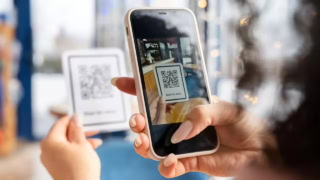
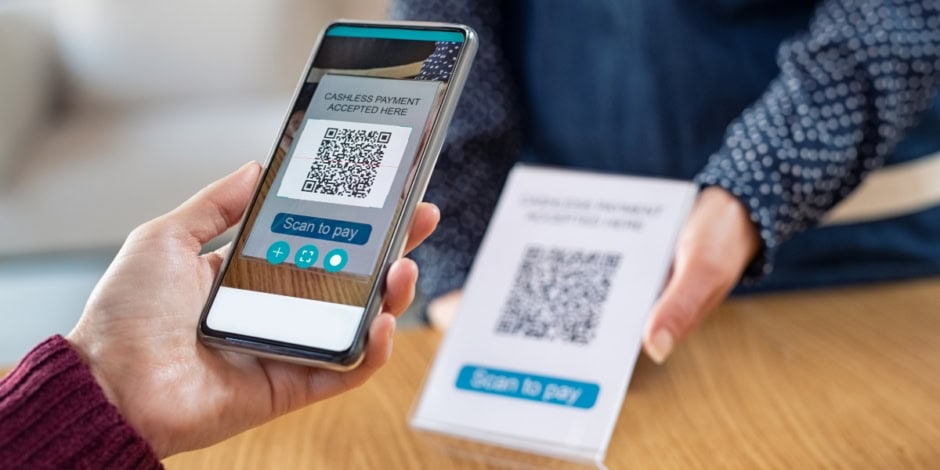
Pakistan’s Cashless Pakistan Initiative has recorded significant growth in digital payments, with active digital commerce payment points reaching 2.03 million by June 2026, up 306% from the baseline of 500,000. The figures were shared in a Finance Ministry document submitted to the National Assembly, which outlined progress on the government’s digital payment targets.
According to the document, 1.73 million merchants are actively using Raast QR payments. Meanwhile, mobile, internet app, and digital banking users increased to 137 million from 95 million, while digital transactions rose to 11.9 billion from 6.9 billion. The share of remittances credited to bank accounts and digital wallets also reached 92%, compared with the baseline of 80%.
Government-to-person (G2P) payments through Raast and digital banking channels increased from Rs. 472 billion in July 2025 to Rs. 4.402 trillion in June 2026. These payments represented 76% of total disbursements by federal and provincial governments, as well as the governments of Azad Jammu and Kashmir and Gilgit-Baltistan. More than 84% of G2P transaction volumes, comprising 39.5 million transactions, are being processed through Raast.
Digital payment systems have also been introduced across several government entities, including the Central Directorate of National Savings, Pakistan Post Office Department, Ministry of Foreign Affairs, Geological Survey of Pakistan, and provincial forest departments. Of the Rs. 1.669 trillion allocated to these entities, Rs. 1.247 trillion, or 75%, has been disbursed through digital and Raast-based channels.
The government has also directed domestic billers to introduce QR codes, while payments under the Benazir Income Support Programme were shifted directly to beneficiaries’ digital mobile wallets in July 2026. However, digital adoption remains uneven, with 34% of government-to-person payments and 18.4% of person-to-government payments digitized by value across state-owned enterprises.
The Finance Ministry has established a dedicated data collection portal and identified 25 high-impact entities to accelerate implementation. Technical integration with remaining entities, including Pakistan Railways and Ehsaas Assignment Accounts, is ongoing. The government aims to fully digitize public sector payments by December 2026.