Are we heading towards another Cold War era? Because Russia might be inching towards it. The world’s largest country by land just made its boldest space rivalry move yet.
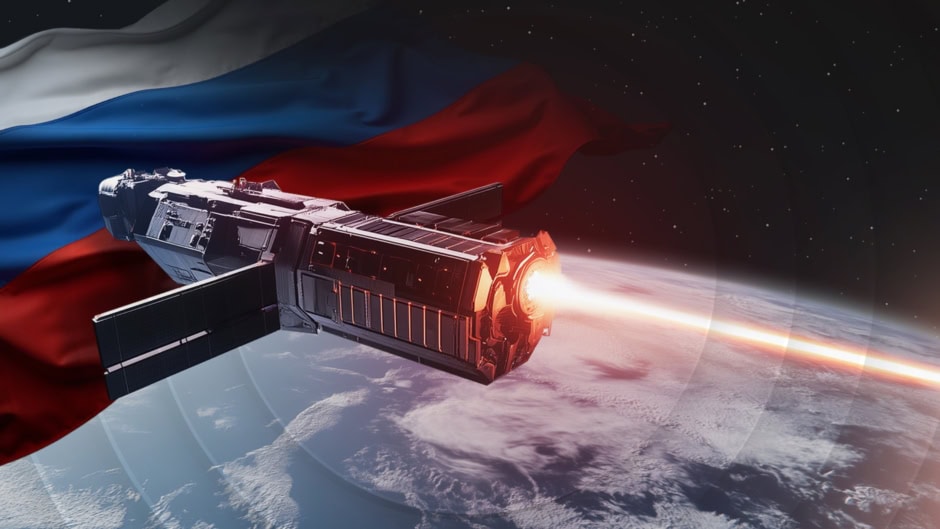
On June 26, its Kosmos 2558 satellite released Object C, a small but suspicious shadow craft now orbiting alarmingly close to the U.S. spy satellite USA 326. The message? Loud and clear: Russia is flexing its muscles in low Earth orbit, and it’s doing so with chilling precision.
Analysts aren’t buying the “routine inspection” excuse. This isn’t the first time Russia has placed satellites in stalking proximity to American assets. But now, with a new object creeping through nearly the same orbital path, space defense agencies worldwide are watching closely. If Object C is more than a passive observer, say, a testbed for anti satellite weaponry, then we’re staring straight into a new era of orbital brinkmanship.
Satellite Stalker or Space Rivalry?
Since 2022, Kosmos 2558 has tracked USA 326 with amazing accuracy. Now Object C has joined the dance, raising concerns that these aren’t just curious space travelers. Their co-orbital activity, which has kept them in close proximity to US satellites for months, suggests a more nefarious purpose: future space-based strikes.
This is no longer theoretical. Russia’s Cosmos 2542 had previously “inspected” the US satellite USA 245, before releasing a subsatellite that discharged a projectile in orbit. Officials described it as a space weapons test.
Blackout Threats and Tumbling Satellites
Another concern is Kosmos 2553, a satellite thought to bolster Russia’s claimed nuclear ASAT program. After launch, it began spinning erratically, but this does not make it harmless.
U.S. space trackers warn that such satellites, whether malfunctioning or not, may be programmed to detonate, crippling anything nearby. Think of orbital EMPs that destroy communications, navigation, or military command chains in a single stroke. Scary, right?
Why Space Rivalry Isn’t Going to End Well?
You can’t call this science fiction. Space warfare is quietly on the rise.
According to experts, real-time intercepts are preceded by proximity operations, such as those carried out by Kosmos 2558 and Object C. Realistically, experts are hopeful things will not escalate. However, we need to understand and know the significance of the need of a space truce.
Everything from GPS to surveillance systems to the internet’s foundation is at risk if Russia or another country demonstrates the ability to disable satellites through precise orbital control.
And in the event that a single error in judgment happens? Massive amounts of space junk, equivalent to several continents, pose a long-term threat to Earth’s orbital pathways.