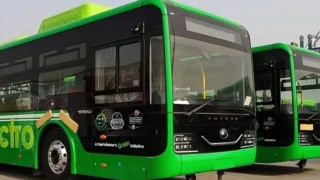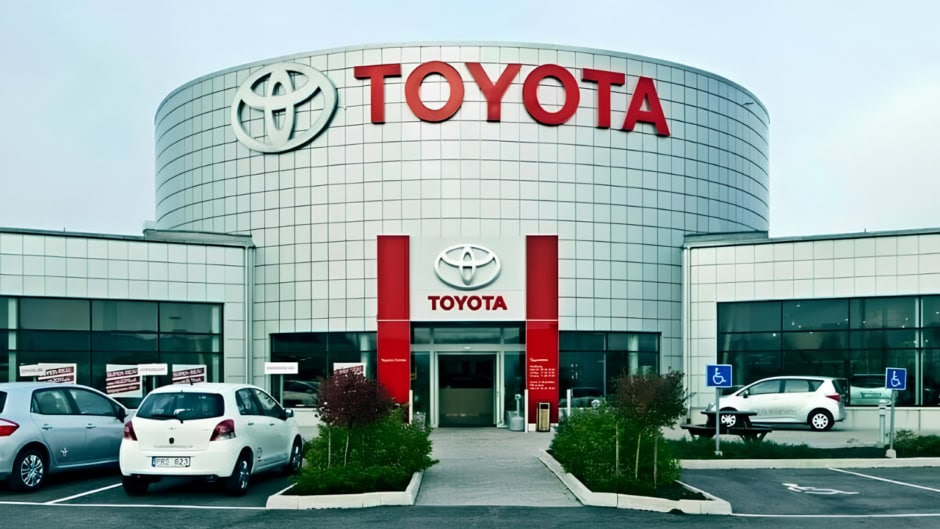
The Federal Board of Revenue (FBR) has rejected an appeal from Indus Motor Company. Toyota Indus wanted to classify Range-Extended Electric Vehicles (REEVs) as hybrid vehicles. However, the FBR rejected the appeal from Toyota Indus and maintained their classification under the electric vehicle (EV) category. These vehicles officially fall under New Energy Vehicles (NEVs). The FBR issued this definitive order in Islamabad on November 16, 2026.
Understanding the REEV Dispute
This dispute centered on the customs classification and tax treatment of REEVs. Toyota Indus argued that these vehicles feature an internal combustion engine. Therefore, the company stated authorities should treat them as hybrids rather than electric vehicles. Furthermore, Toyota Indus maintained that treating REEVs as EVs created unequal tax treatments between competing automotive technologies.
However, the FBR noted a clear technical distinction. REEVs use electric motors exclusively to drive their wheels. Meanwhile, an onboard petrol engine simply generates electricity to recharge the battery. Conversely, a conventional hybrid vehicle can use its combustion engine to directly power the wheels.
FBR Rejects Toyota Indus Appeal: Official Hearing & Rulings
The official hearing took place at the FBR Headquarters in Islamabad on November 5, 2026. Mr. Ashhad Jawwad, Member of Customs Policy, presided over the session. The petitioner challenged Public Notice No. 02/2026. The Classification Committee of the Collectorate of Customs (Appraisement-East) in Karachi originally issued this notice on February 2, 2026.
Advocate Mr. M. Umar Akhund represented Toyota Indus alongside company officials Mr. Wajid Bux Siddiqui, Mr. Usama Razaque, and Mr. Sardar Javed. Meanwhile, Secretary Mr. Muhammad Nauman Tashfeen represented the Classification Committee. Ultimately, the FBR rejected the appeal under Rule 2 of the Pakistan Rules to the General Rules of Interpretation of the First Schedule to the Customs Act of 1969.
Consequently, the ruling specifically covers the Deepal S05 REEV and Forthing Friday REEV. Both vehicles will officially retain their status under Pakistan Customs Tariff (PCT) subheading 8703.80. This subheading strictly covers electric vehicles possessing only an electric motor for propulsion.
Impact on the Auto Industry
This development is highly significant for Pakistan’s automobile industry. Primarily, it impacts importers and companies planning to launch range-extended electric vehicles. The clear FBR stance now provides greater regulatory clarity. Ultimately, this definitive ruling reduces market uncertainty surrounding the tax classification of REEVs.