Pakistan’s dependence on global payment networks is coming under fresh scrutiny, as policymakers push for wider adoption of local alternatives and faster growth in digital transactions. In a meeting of the Senate Standing Committee on Finance, Pakistan’s payment landscape has been put under the spotlight.
Saleem Mandviwalla, former minister of finance of Pakistan, has urged authorities to promote the country’s PayPak card more aggressively. He said its usage increased after the Senate Standing Committee took up the matter. Still, he noted that international systems continue to dominate everyday transactions.
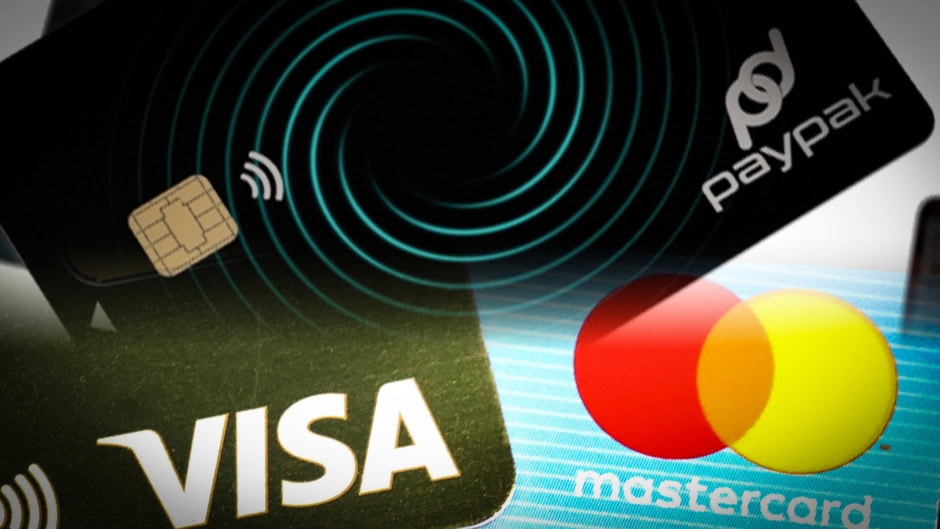
He pointed out that payments in dollars are required to use Visa and Mastercard in Pakistan. Because of this, around $250 million is paid each year to these companies, even though transactions are made in rupees. He also said banks are reluctant to support alternatives beyond these networks.
Saleem Mandviwalla added that about 90 million Visa and Mastercard cards are in circulation across the country. In contrast, PayPak cards have not even reached 5 million, showing the gap between local and global players.
At the same time, the government is trying to accelerate the shift toward a cashless system. Bilal Azhar Kayani said a dedicated committee has been formed under the prime minister to drive this effort. The committee is focused on improving documentation and encouraging digital payments.
Bilal Azhar Kayani said the government is actively backing the expansion of digital systems. He noted that digital points of sale have increased from 500,000 to 1.3 million, signaling steady growth in adoption.
To reduce reliance on foreign networks, the government is promoting PayPak along with QR code-based payments. These options are seen as more cost-effective and accessible.
Dr. Inayat Hussain said PayPak’s market share has reached 24 percent. He added that digital transactions offer a stronger long-term solution than traditional card systems.