Massachusetts is moving forward with six new battery energy storage projects to cut electricity costs. The projects also aim to improve grid reliability for local communities. Energy company Lightshift Energy announced the plan this week.
The new facilities will rise in Georgetown, Ipswich, Groton, Princeton, Ashburnham, and Marblehead. Together, they add more than 23 MW of energy storage capacity to the state. The systems are expected to save utilities and ratepayers more than $90 million over their lifetime.
Lightshift is developing the projects with the Massachusetts Municipal Wholesale Electric Company, known as MMWEC. That agency supplies power resources to municipal utilities across the state. It ranks as New England’s largest provider of asset-owned generation for municipal light departments.
Battery storage systems charge when demand is low and energy prices stay cheap. They then release that electricity during peak demand, when power prices typically spike. This process, called peak shaving, cuts costly transmission and capacity charges passed on through bills.
The six projects range from 3 MW to 5 MW each. Georgetown gets a 3 MW system, Ipswich a 5 MW project, and Groton a 4 MW installation. Princeton hosts a 3.5 MW facility, Ashburnham a 3 MW project, and Marblehead a 5 MW system.
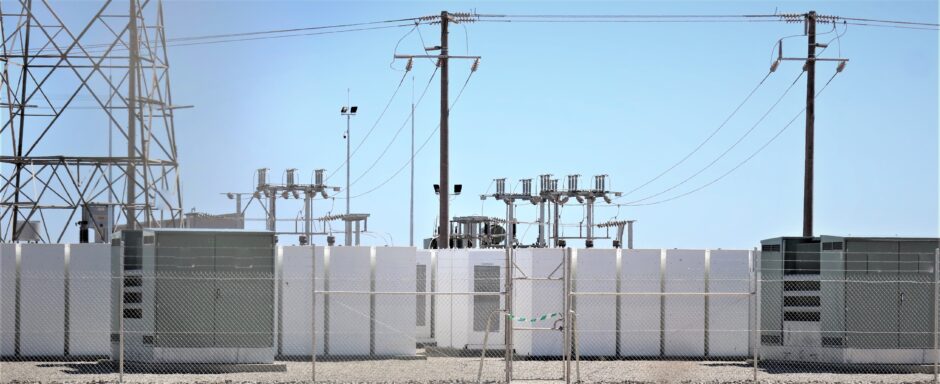
Lightshift says developing these as a single statewide portfolio cuts cost and speeds construction. The fleet approach also helps smaller municipal utilities share resources and scale benefits. The model lets local utilities access storage they could not easily build alone.
Massachusetts already runs six battery storage projects, with the Ipswich site under construction. Lightshift says eight more projects sit in advanced development across the state. The expansion highlights the growing role of storage in managing rising demand. It also points to a more reliable, modern grid for Massachusetts communities.
Pakistan can draw a clear lesson from this model. The country battles costly peak demand, rising tariffs, and frequent load-shedding every year. A pooled approach, where smaller utilities share storage instead of building alone, could ease that strain. Pairing batteries with Pakistan’s fast-growing solar base would soften demand spikes and stabilize the grid. The Massachusetts blueprint shows how coordinated storage cuts costs at scale.