Pakistan’s recent return to double-digit inflation is increasingly being attributed to rising fuel taxation, with a new study suggesting that higher petroleum levies have become one of the primary drivers of price increases across the economy.
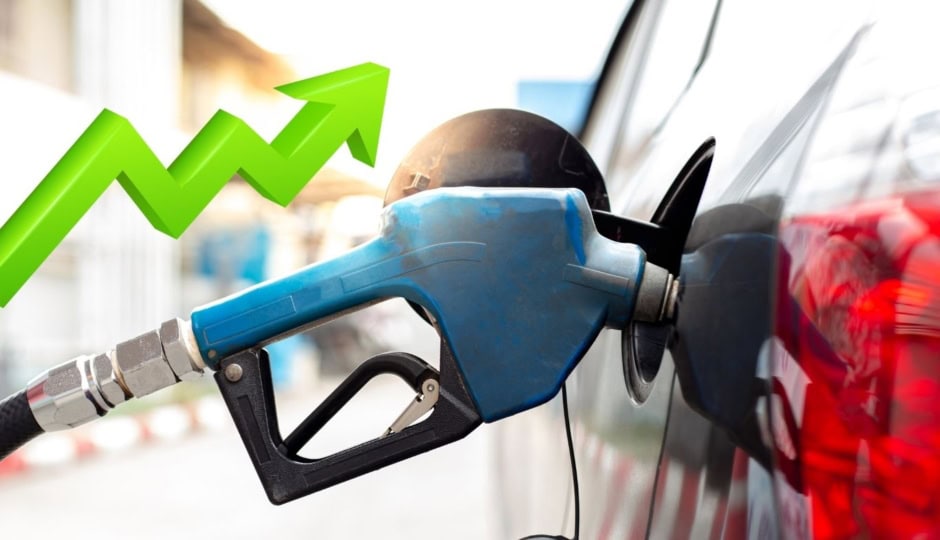
A report released by the Policy Research and Advisory Council (PRAC) argues that the petroleum levy has shifted from a price-management mechanism to a major revenue-generation tool, significantly increasing fuel costs and fueling inflationary pressures.
According to the study, inflation rose from 7.3 percent in March to 10.9 percent in April and further to 11.7 percent in May, coinciding with a substantial increase in the petroleum levy on petrol, which reached Rs. 117.4 per litre in May.
Researchers noted that consumers were unable to fully benefit from lower international oil prices because tax increases offset much of the potential relief.
The report identifies transportation and energy expenses as the largest contributors to inflation.
Transport inflation surged to 36.8 percent year-on-year in May, while housing, electricity, gas, and fuel costs increased by 16.8 percent. Combined, these categories contributed approximately six percentage points to the overall inflation rate, accounting for more than half of headline inflation.
The study also highlights the growing impact of diesel prices on the broader economy. Diesel remains a critical fuel for freight transport, agriculture, manufacturing, and public transportation.
After temporarily removing the diesel levy in April amid rising global prices, the government reinstated the tax in May and increased it five times within 29 days. As a result, the levy rose from Rs. 28.7 per litre to Rs. 68.9 per litre by the end of the month.
Researchers warned that higher diesel costs eventually pass through supply chains, increasing the prices of food products, consumer goods, and industrial output.
The report points to an unusual pricing trend in Pakistan’s fuel market.
Historically, diesel has been priced noticeably lower than petrol because of its importance to agriculture and commercial transport. However, by the end of May, both fuels were selling at nearly Rs. 381 per litre, suggesting that taxation has become a larger factor in determining retail fuel prices than global crude oil movements.
PRAC argues that Pakistan is currently experiencing largely “cost-push” inflation, driven by fuel taxes, utility tariff adjustments, and other administered prices rather than excessive consumer demand.
The report suggests that higher interest rates alone may not effectively control inflation because monetary policy cannot directly reduce petroleum levies or government-imposed charges.
Researchers also highlighted what they described as a disconnect between fiscal and monetary policies. While the government increases fuel levies to boost revenue collection, the State Bank of Pakistan responds to rising inflation through tighter monetary policy and higher interest rates.
According to the report, this combination raises borrowing costs for businesses, discourages investment, and slows economic activity without addressing the underlying causes of inflation.
The findings come as inflation re-emerges as a key economic challenge ahead of the federal budget, with analysts warning that continued reliance on fuel taxation could keep prices elevated even if international oil markets remain stable.