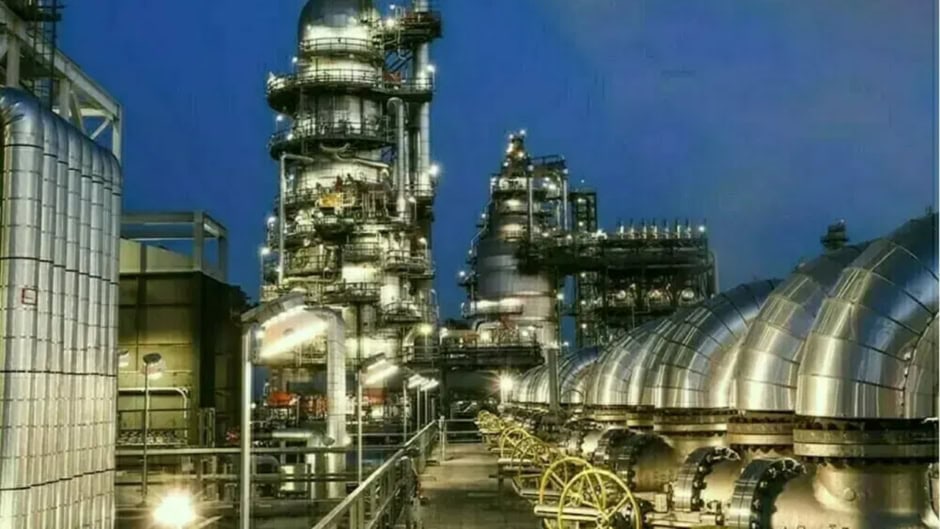
The federal government has approved amendments to the Pakistan Oil Refining Policy 2023, paving the way for an estimated $5 billion to $6 billion investment in refinery modernization projects aimed at producing cleaner fuels and improving Pakistan’s energy security.
The approval was granted during a meeting of the Cabinet Committee on Energy (CCoE) chaired by Prime Minister Shehbaz Sharif at the Prime Minister’s House.
The revised policy is expected to accelerate long-delayed brownfield refinery upgrade projects by addressing concerns raised by the refining industry over financial viability. The amendments were finalized after consultations between the Petroleum Division, local refineries, and financial and legal advisers.
According to the Petroleum Division, the updated policy focuses on upgrading existing refineries to produce Euro-V standard petrol and diesel, increase domestic production of petroleum products, reduce furnace oil output, and lower Pakistan’s dependence on imported refined fuels.
Officials said refinery modernization is essential for increasing local refining capacity and meeting environmental standards. The shift toward cleaner fuels is also expected to support improved air quality and help Pakistan meet international environmental commitments.
Key incentives under the amended policy include:
- 10% tariff protection on Motor Spirit (MS) and High-Speed Diesel (HSD) for seven years.
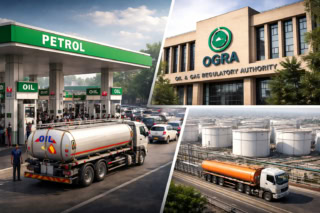
- Additional duties of 10% on MS and 2.5% on HSD to be deposited into an OGRA-managed escrow account for refinery upgrade financing.
- Partial financing support through escrow withdrawals, capped at specified limits of project costs.
- Continuation of 7.5% deemed duty on HSD after the initial incentive period until deregulation or completion of 20 years.
- Reimbursement of customs duty on imported crude through the Inland Freight Equalisation Margin (IFEM).
- Sales tax exemption on imported machinery and equipment for refinery modernization projects.
The government expects upgraded refineries to improve fuel supply stability by increasing petrol and diesel production while reducing furnace oil generation, which has created operational challenges due to declining demand.
Industry officials estimate that delays in refinery upgrades have resulted in annual losses of around $1.5 billion to $2 billion due to increased imports of refined petroleum products.
Prime Minister Shehbaz Sharif termed refinery modernization a key requirement for Pakistan’s energy security and directed relevant institutions to ensure timely implementation of the amended policy.
He also instructed the Petroleum Division to organize investment roadshows in Qatar, Saudi Arabia, and other Gulf countries to attract foreign investment in refinery upgrade projects.
The prime minister further directed authorities to enhance strategic petroleum reserves and accelerate broader energy sector reforms aimed at improving efficiency, transparency, and investment opportunities.