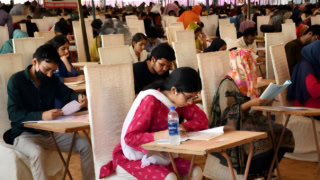
India has restricted access to Telegram ahead of the retest of the National Eligibility Entrance Test (NEET), one of the country’s most competitive medical entrance exams. The move comes after authorities linked the messaging platform to last month’s question paper leak scandal.
The Ministry of Electronics ordered the restriction on Telegram until June 22, the day of the NEET retest. In addition, Telegram’s message editing feature will remain blocked until June 30. Officials said the feature could be used to alter or manipulate content related to the examination.
India’s National Testing Agency (NTA) said the decision was taken to protect public order. According to the agency, organized cheating networks used the platform to target students and spread leaked exam material.
More than two million students take the NEET exam every year to secure seats in medical colleges. However, authorities canceled the May examination after allegations emerged that the question paper had leaked before the test. Reports suggested that the leaked paper circulated through several Telegram channels.
The incident triggered widespread criticism across the country. At the same time, another controversy involving errors in high school examination results added to public anger. Students and parents raised concerns over grading mistakes, while youth groups organized protests demanding the resignation of the education minister.
The pressure surrounding competitive exams in India remains extremely high. As a result, thousands of coaching centers operate across the country, helping students prepare for entrance tests. Many families spend significant amounts of money on exam preparation in hopes of securing better career opportunities.
However, intense competition has also created opportunities for criminal groups. These networks often attempt to profit by selling leaked examination papers to desperate students.
Investigators have already taken action in the NEET case. India’s Central Bureau of Investigation arrested the alleged mastermind behind the leak. Authorities identified him as a chemistry lecturer who was involved in the examination process conducted by the NTA.
Meanwhile, the education ministry has launched a dedicated website that allows citizens to report suspicious claims, unauthorized content, and fraudulent activities related to the NEET examination.
The controversy has highlighted the challenges facing students across India. Despite strong economic growth, millions of young people continue to struggle to find stable and well-paying jobs. Consequently, competition for professional courses remains intense.
Many students spend years preparing for entrance exams. Therefore, incidents such as paper leaks can have a major impact on their future plans and mental well-being. Indian media reports also linked the NEET controversy to several cases of student suicides.
The NEET scandal follows another major issue involving the online marking system used for examinations taken by nearly two million high school students. Many candidates claimed they received incorrect grades, while others reported that results were assigned to the wrong students.