Khyber Pakhtunkhwa has set the highest minimum wage among the four provinces, proposing Rs 45,000 monthly for laborers in its 2026–27 budget presented on Friday.
Chief Minister Sohail Afridi presented the provincial budget himself amid opposition uproar, announcing a seven percent increase in salaries and pensions for government employees.
The Chief Minister also proposed a 50 percent increase in the conveyance allowance, alongside raising the special conveyance allowance from Rs 6,000 to Rs 10,000 for government staff.
A house requisition allowance has been proposed to address the residential issues faced by secretariat employees, the Chief Minister said while outlining further benefits for office staff members.
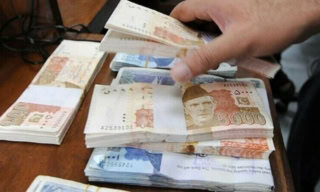
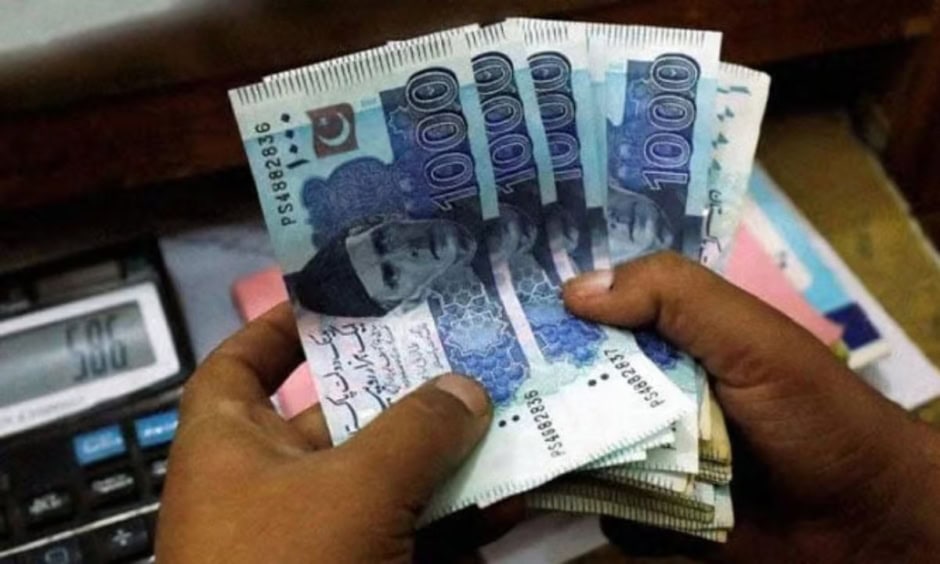
With the newly proposed Rs 45,000 minimum wage, Khyber Pakhtunkhwa now surpasses other provinces, after the federal government set the national minimum monthly wage at Rs 40,700.
Punjab and Balochistan have maintained their minimum wage at Rs 40,000 each, while Sindh raised its minimum wage to Rs 43,000 in its budget presented two days earlier.
Documents reveal significant allocations proposed for the health and education sectors, alongside measures targeting tourism promotion, environmental sustainability, and rising provincial revenue generation.
A total of Rs 276.54 billion has been proposed for the health sector, with 82 percent allocated to ongoing schemes and the remaining 18 percent for new projects.
Funding has also been proposed for 93 separate ongoing development projects within the overall health sector, according to budget documents reviewed as part of the financial plan.
The Khyber Pakhtunkhwa government expects to generate Rs 150 billion in revenue from its own provincial resources during the upcoming fiscal year, the budget documents further indicated.
For education, Rs 363 billion has been proposed for primary and secondary schooling, while higher education is expected to separately receive Rs 45 billion in total annual funding.
To increase student enrollment in settled districts, the government has proposed allocating Rs 500 million, alongside an additional Rs 8.5 billion for free textbooks distributed across the province.
The new budget places strong emphasis on environmental initiatives, targeting the creation of more than 50,000 new employment opportunities through various green projects launched in the province.
The government has proposed allocating 40 percent of all carbon-related revenues directly to local communities, as part of a broader environmental sustainability strategy outlined in the budget.
More than Rs 12 billion has been proposed for tourism promotion, with the province aiming, through World Bank (WB) support, to improve facilities for five million tourists each year.
Budget documents show total expenditures during the first nine months of the current fiscal year reached Rs 988 billion, of which Rs 431 billion was spent on salaries.
Salary-related expenditures are expected to rise by 13 percent compared with the previous financial year, while pension costs are separately projected to increase by 17 percent overall.