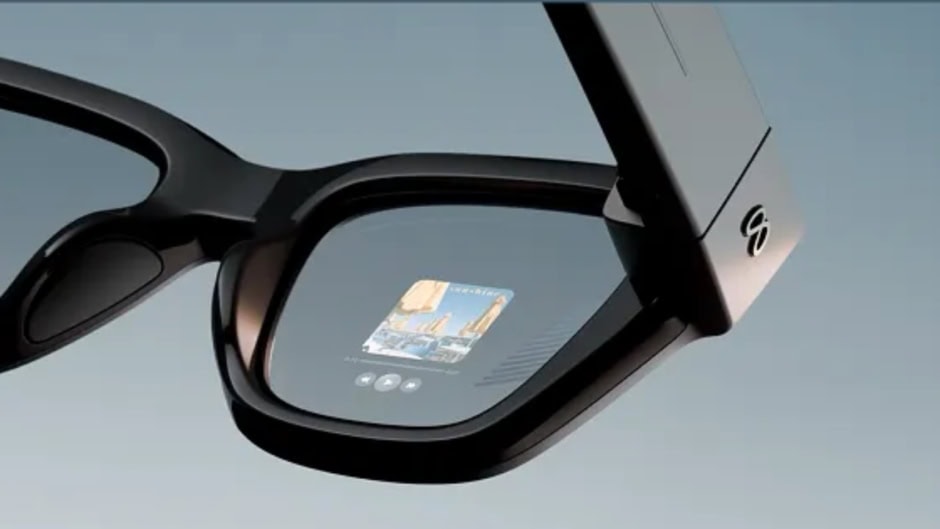
Meta announced it is opening Ray-Ban Display AI glasses to third-party developers allowing external apps and games to utilize the device’s heads-up display. The company rolled out access through two build paths including mobile apps and web apps both in developer preview shifting hardware from closed AI assistant to open spatial computing platform.
Developers can create display-enabled experiences using Meta Wearables Device Access Toolkit, a native mobile SDK for iOS and Android. The toolkit lets developers extend existing apps onto glasses display using Swift or Kotlin adding UI components including text, images, lists, buttons, and video playback. Web apps provide a second path for developers who want to build standalone experiences using HTML, CSS, and JavaScript.
Meta stated developers have been experimenting and building hands-free experiences on AI glasses using camera, audio, and voice. The company is offering a way to present information visually directly in the moment according to official blog post. Until now, glasses only showed messages, AI responses, and handful of built-in tools limiting functionality.
Developers can build information overlays, real-time data displays like scores or live updates, micro-apps, utilities, and more. The Device Access Toolkit gives mobile developers deep hardware integration that no other AI glasses SDK can match according to Meta documentation. Availability is rolling out over coming weeks.
Meta also shared data showing display helps users share more with built-in viewfinder making it easier to frame images and video. Visual Meta AI answers see higher engagement rates meaning users engage more often with follow-up questions. The shift toward openness coincides with broad rollout of virtual handwriting feature using Neural Band controller for gesture-based input.