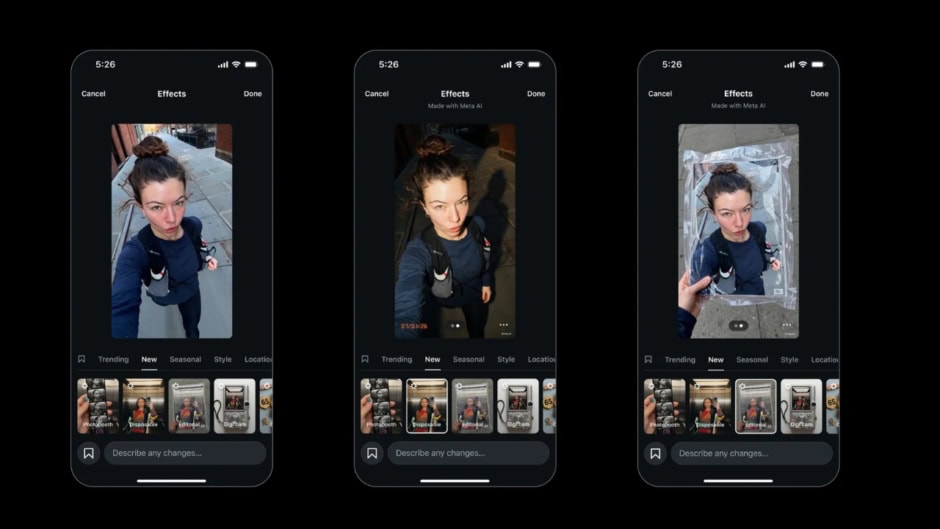
Meta has pulled one of its newest AI features just three days after showing it off, and the speed of the retreat tells its own story. The tool let anyone tag a public Instagram account and turn that person’s photos into fresh AI-generated images. Crucially, it never alerted the account owner, so people could have their likeness reworked without ever knowing.
The feature arrived Tuesday as part of Muse Image, Meta’s first in-house image generator, built by its Superintelligence Labs unit. Meta pitched it as a creative tool, but the backlash hit almost instantly. The core problem was consent, because Meta enrolled every public account by default. Adults had to dig into settings and opt out, or their photos stayed fair game for strangers.
Users revolted quickly, and outlets rushed to publish guides on disabling the feature. Yet the loudest alarms came from Hollywood. SAG-AFTRA urged its members and all Instagram users to protect their likeness, warning of the obvious dangers baked into such a tool. CAA went further, insisting no one’s image should feed an AI model without clear, documented consent.
By Friday, Meta had folded. The company admitted the feature “missed the mark,” so it was no longer available. It still claimed good intentions, saying it wanted to give people control over how anyone can reference their content. However, critics are not happy, since real control is all about asking permission first rather than forcing an opt-out.
The reversal marks a bruising start for Muse Image, though Meta shows no sign of retreating from AI overall. More features are still planned for WhatsApp, Facebook, and Messenger, and an AI video tool sits in development. SAG-AFTRA called the U-turn a win, but the deeper fight over consent, likeness, and default settings is only beginning. Particularly when Meta is trying its best to stay afloat with new coding AI tool in the shape of Muse extension.