ESS Tech launched Bridge, a modular sodium-ion battery system built for AI data centers, utilities, and critical infrastructure. The Oregon company designed the platform as an alternative to conventional lithium-ion storage. The move marks its first entry into sodium-ion technology.
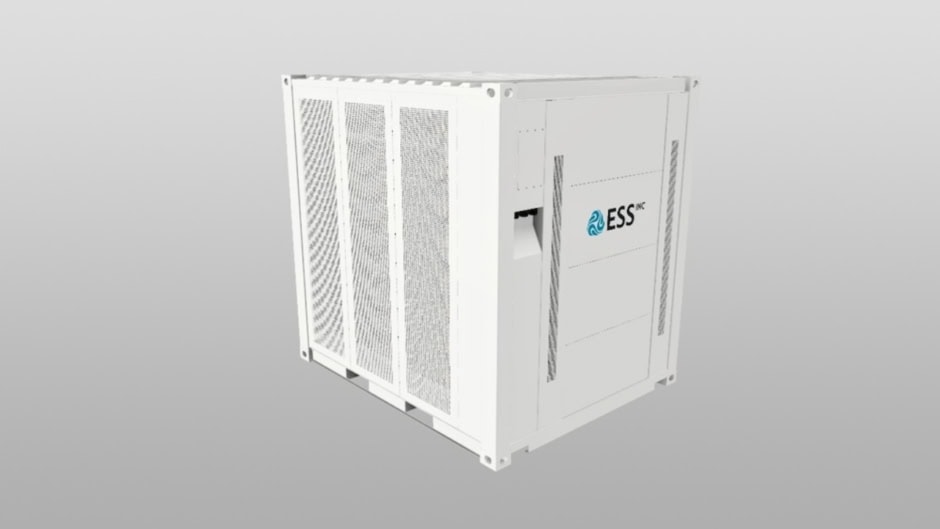
Bridge is a 1.2 megawatt-hour building-block system that ships inside a 10-foot container. Each unit combines battery cells, racking, power conversion, cabling, and management software in one package. The plug-and-play design installs with a heavy-duty forklift and runs on simple air cooling. The blocks stack to deliver up to 4.8 megawatt-hours in the footprint of a standard 20-foot container, maximizing site use.
“Bridge is how we meet the demand we’re already seeing,” said Drew Buckley, CEO of ESS. “AI workloads are reshaping what data centers need from energy storage, and sodium-ion handles those power needs more effectively than conventional technologies.”
The timing targets surging power demand from artificial intelligence. AI workloads are reshaping what data centers need from energy storage. ESS argues sodium-ion handles those power needs more effectively than older technologies. The system suits short- and medium-duration applications historically served by lithium-ion.
“Today’s battery asset owners are looking for solutions that improve upon the conventional model,” said Randall Selesky, Chief Commercial Officer at ESS. “They want systems that improve safety, simplify operations, provide flexibility and support long-term energy security objectives.”
The design also reduces reliance on critical minerals. Sodium-ion cells avoid the scarce materials that lithium-ion batteries require. As a US-made product, Bridge positions ESS as a domestic supplier at a time of supply-chain concern. The company sources its sodium-ion cells from partner Alsym Energy.
Early demand has been strong. ESS reported nearly $1 billion in early-stage customer opportunities since entering the sodium-ion market weeks earlier. Interest spans data centers, utilities, and critical infrastructure operators. The company said demand exceeded expectations despite limited marketing.
Bridge expands ESS beyond its original iron flow batteries, which serve long-duration storage from eight to 22 hours. The new system rounds out a portfolio now spanning short, medium, and long durations. ESS is betting that safer, mineral-light storage will win data center and utility customers as electricity consumption climbs.