
Michael Saylor has defended Strategy’s recent Bitcoin sale, arguing that the ability to sell Bitcoin is essential for supporting the company’s growing digital credit business and maintaining the value of its financial products.
The comments came during an interview at the BTC Prague 2026, following Strategy’s disclosure that it sold 32 Bitcoin in a filing with the U.S. Securities and Exchange Commission on June 1. The transaction marked the company’s first reported Bitcoin sale since 2022 and appeared to contradict Saylor’s long-standing advocacy of holding Bitcoin indefinitely.
Addressing the issue, Saylor explained that Bitcoin treasury companies must retain flexibility to sell a portion of their holdings when necessary to support dividend-paying securities and other Bitcoin-backed financial instruments.
According to Saylor, Strategy’s business model increasingly revolves around issuing what he describes as “digital credit” products backed by the company’s substantial Bitcoin reserves.
He stated that products such as Strategy’s STRC preferred stock are designed to use Bitcoin as capital backing credit obligations, allowing the company to raise funds while continuing to expand its Bitcoin holdings.
Saylor described digital credit markets as a potential trillion-dollar opportunity, arguing that Bitcoin-backed financial products could reshape traditional credit markets and provide investors with higher yields than conventional savings accounts.
He noted that some digital credit products currently offer returns of up to 8 percent, significantly above the rates available through many traditional banking products.
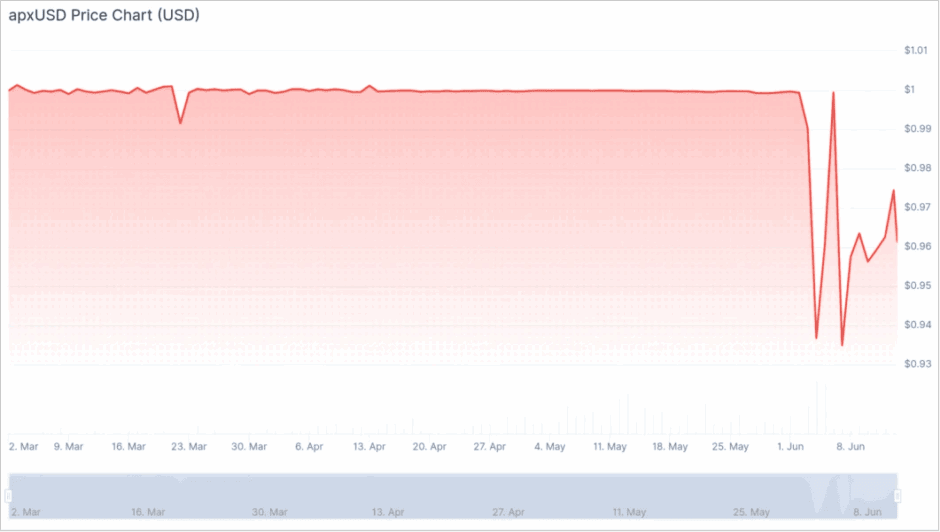
The discussion comes amid growing interest in Bitcoin-based financial instruments and decentralized yield products. However, the sector has also faced challenges. Saylor referenced recent developments involving apxUSD, a dividend-backed synthetic stablecoin that temporarily lost its dollar peg after declines in Bitcoin prices and weakness in related collateral assets.
Industry observers say the emergence of Bitcoin-backed credit products could open new avenues for capital formation and yield generation, although questions remain about market stability, collateral management, and regulatory oversight.