OpenAI is reportedly requiring select brands and advertisers to commit at least $200,000 in upfront spending in order to participate in the initial rollout of advertisements inside ChatGPT, marking a significant pivot in how the company plans to monetize its rapidly expanding AI platform.
Previously announced, OpenAI made clear that for the time being:
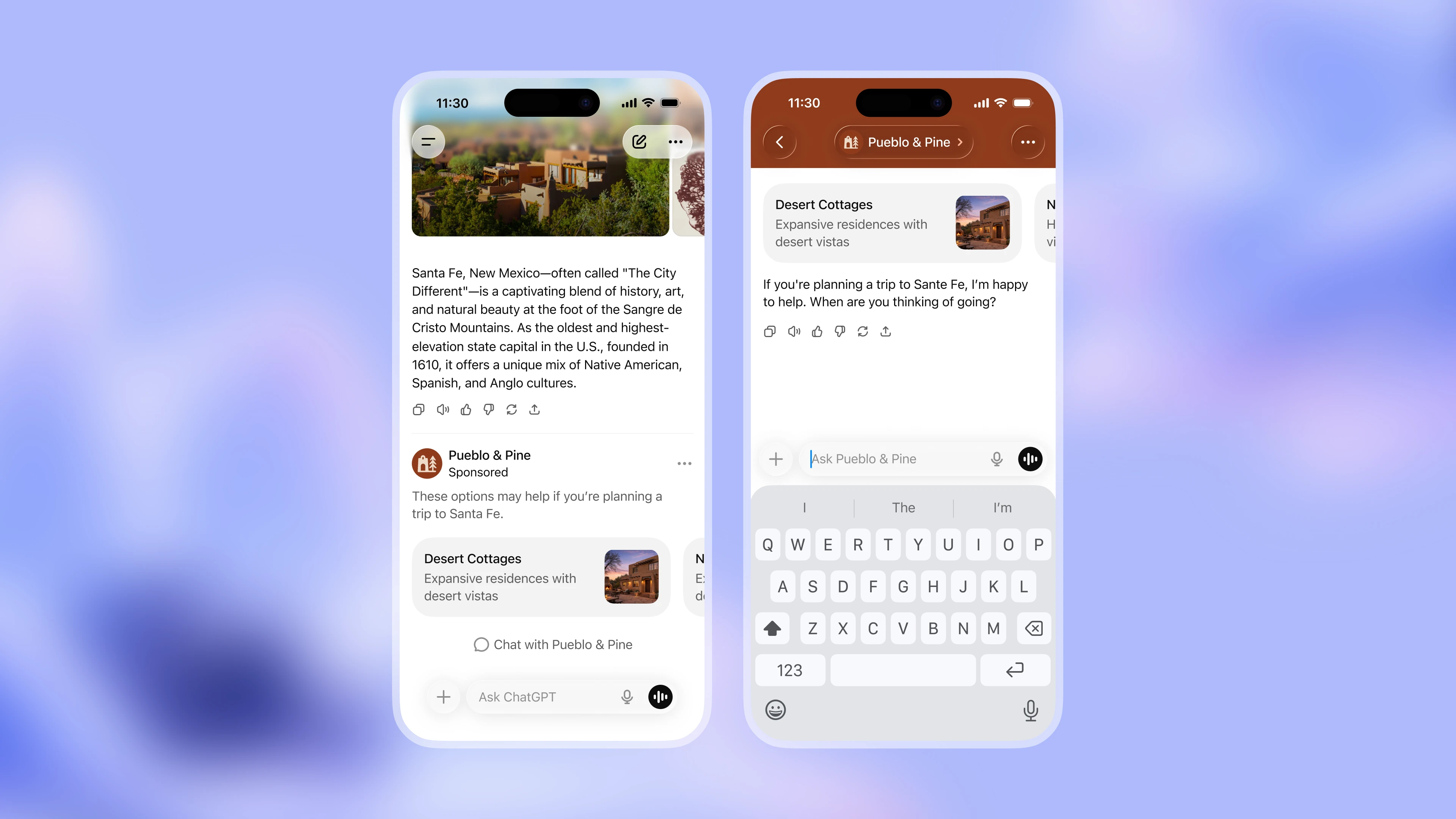
We’re not launching ads yet, but we do plan to start testing in the coming weeks for logged in adults in the U.S. on the free and Go tiers. To start, we plan to test ads at the bottom of answers in ChatGPT when there’s a relevant sponsored product or service based on your current conversation. Ads will be clearly labeled and separated from the organic answer. You’ll be able to learn more about why you’re seeing that ad, or dismiss any ad and tell us why. During our test, we will not show ads in accounts where the user tells us or we predict that they are under 18, and ads are not eligible to appear near sensitive or regulated topics like health, mental health or politics.
According to reports, OpenAI has begun informing interested advertisers that six-figure minimum commitments are necessary to secure placement in what it views as a premium and emerging ad channel. The figure stems from early negotiations as the company prepares to beta test ad units that appear beneath AI responses in ChatGPT for free and lower-tier subscribers.
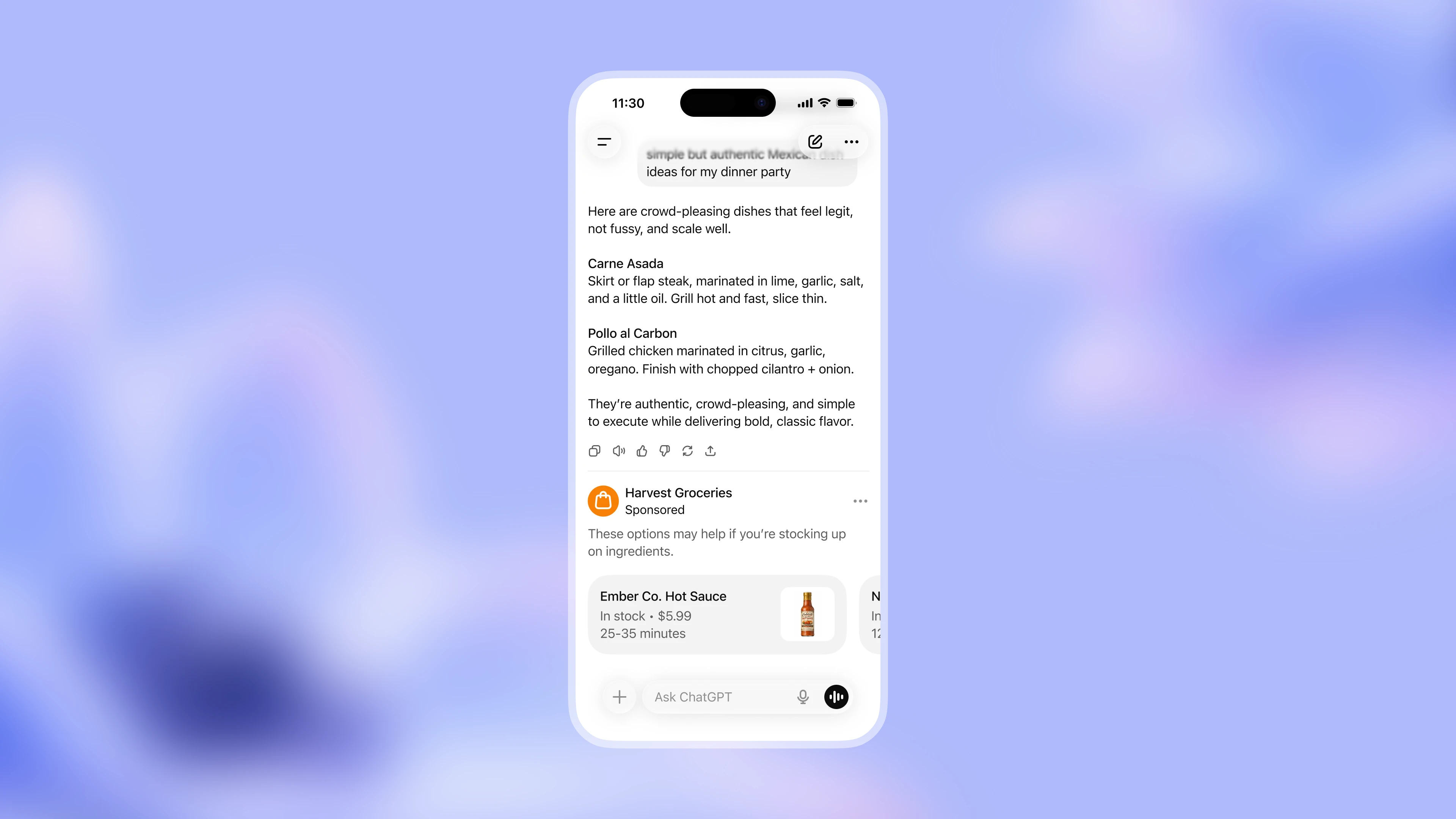
Earlier this year, OpenAI confirmed plans to introduce advertising into ChatGPT’s interface for users outside of paid ad-free plans, including both the standard free tier and the recently launched ChatGPT Go subscription. Under this strategy, ads will be contextually relevant and clearly labeled so they don’t influence the chatbot’s responses themselves , a key point OpenAI has emphasized in public statements about ad principles.
For instance, a user asking about travel recommendations might see a sponsored accommodation suggestion beneath the AI’s answer, or someone exploring recipes might see related product recommendations, all designed to match conversational intent without disrupting the core experience.
Industry sources confirm that OpenAI’s advertising model is priced at a premium level compared with many mainstream digital ad platforms. Third-party reports indicate ChatGPT ad impressions may command rates up to $60 per thousand views, positioning in some cases comparable with top-tier traditional media buys like televised event slots.
This premium pricing is partly due to ChatGPT’s large, engaged user base and the unique advertising context: reaching users at the moment they’re actively seeking answers or solutions. However, early advertisers may receive basic performance data only, rather than detailed engagement analytics commonly available on platforms like Meta or Google.
OpenAI’s move to monetize with advertising follows a broader industry trend as generative AI platforms look to balance massive infrastructure costs with sustainable revenue streams. The company has previously opened up its low-cost ChatGPT Go tier globally, aiming to make AI accessible while still recouping costs through contextual ads.
Executives have stressed that ads will remain separate from AI answers and that user trust is a priority, including not selling conversation data to advertisers and excluding certain audiences (such as under-18 users) from seeing ads initially.
Unlike search engines, ChatGPT doesn’t currently redirect users to external links as a primary design function, which could impact click-through behaviour and measurable ROI. Furthermore, early tests will not offer comprehensive engagement insights, complicating return-on-investment analysis for advertisers accustomed to deep analytics.