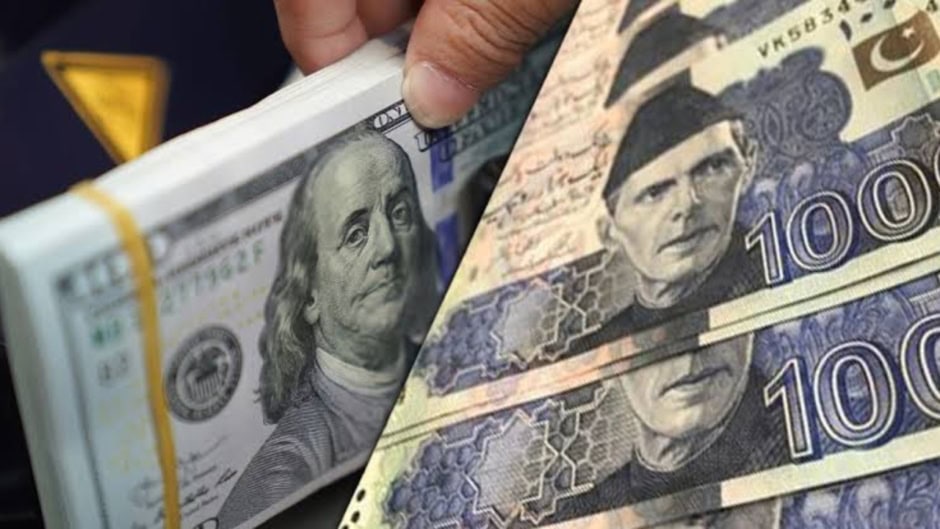
Pakistan’s overseas workers are sending home approximately $44 billion annually, making workers’ remittances one of the country’s most important sources of foreign exchange. These inflows now cover nearly 100% of Pakistan’s external financing deficit and account for around 10% of its gross domestic product (GDP).
Transfers from an estimated 10 million Pakistanis living abroad have become critical to the country’s economic stability. A portfolio manager at East Capital recently described remittances as “Pakistan’s oil,” highlighting their growing importance in supporting the economy and strengthening foreign exchange reserves.
Pakistan faced a severe external financing crisis in 2023, when its foreign exchange reserves covered only around 1.5 months of imports. The country also came close to defaulting on its international bonds as external payment pressures intensified. Since then, gross foreign exchange reserves have increased nearly fivefold, while inflation has fallen from a peak of 38% to single digits, although it recently rose to 9.6%.
Workers’ remittances have increased steadily over the past 12 years, rising from approximately $16 billion in September 2014 to more than $43 billion by September 2026. Meanwhile, Pakistan’s current account balance excluding remittances has experienced significant fluctuations, demonstrating the importance of overseas transfers in supporting external accounts.
The portfolio manager also highlighted that Pakistani equities delivered a 318% return in US dollar terms over the period, equivalent to an annualised return of 53%. He attributed the broader economic improvement to government stability, the IMF programme, and rising remittance inflows.
With annual remittances approaching $44 billion, overseas Pakistanis continue to play a major role in supporting the country’s foreign exchange position, managing external payment obligations, and maintaining economic stability.