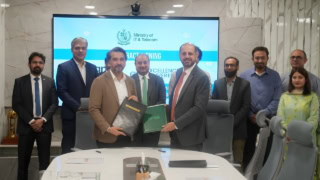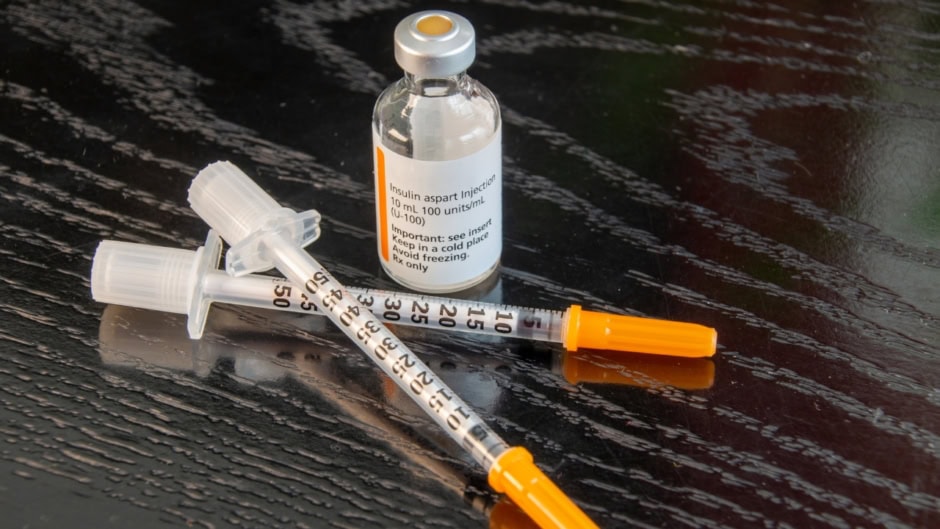
Pakistan is officially breaking its heavy dependence on Western insulin supplies. Specifically, Russian pharmaceutical company Zavod Medsintez LLC and Pakistan’s Genetics Pharmaceuticals Private Limited are launching an $80 million joint venture. This marks a major step for healthcare and biotechnology in the country. Together, Pakistan and Russia will build a local insulin manufacturing plant to lower import costs and improve nationwide access to diabetes treatments.
A Phased Approach to Establishing Local Insulin Plant
The project follows a strict, two-phase timeline. Initially, the companies will invest $20 million. This first phase focuses entirely on building an aseptic insulin filling plant and biological units for refilling. Consequently, the partners expect to complete this stage by December 2028.
Afterward, the second phase will kick off. The joint venture will invest the remaining $60 million to establish a full-scale manufacturing plant by December 2031. Furthermore, this final phase includes a complete biotechnology transfer. Therefore, Pakistan will begin producing Active Pharmaceutical Ingredients (APIs) and raw materials locally.
Strict Deadlines Imposed by DRAP
The Drug Regulatory Authority of Pakistan (DRAP) has issued conditional approval for the project. Additionally, the regulator approved retail prices for six Russian “Rosinsulin” products.
However, DRAP attached severe stipulations. The regulator tied the project’s approval directly to the phase-wise construction deadlines. If the joint venture fails to meet these specific timelines, DRAP will cancel the product registrations completely.
This pharmaceutical deal represents more than just medical self-sufficiency. Meanwhile, it highlights rapidly expanding economic integration across Eurasia. Alongside this $80 million biotechnology transfer, Russia is also opening its massive consumer market to Pakistani seafood exports.