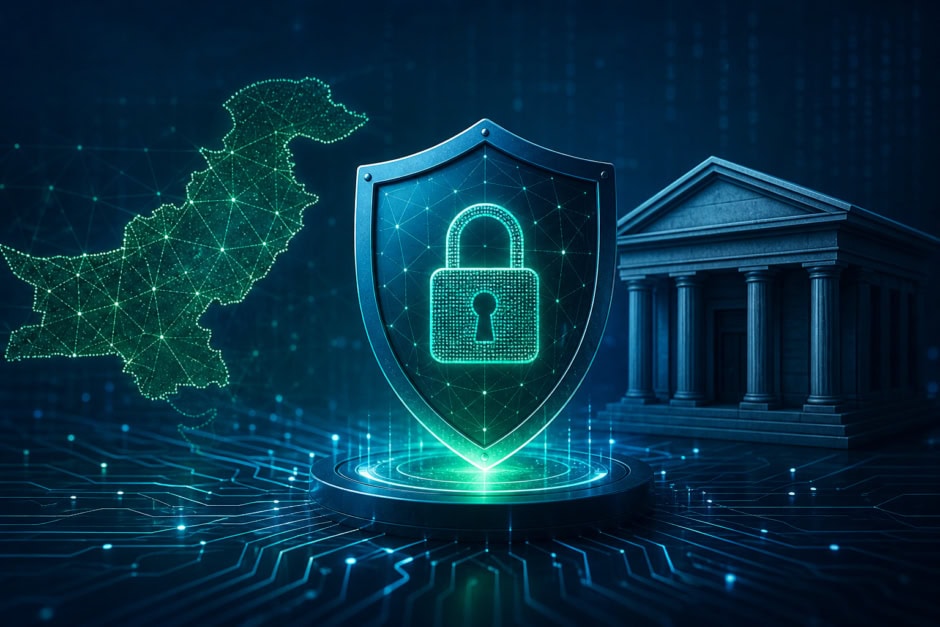
The government of Pakistan has intensified efforts to strengthen cybersecurity across its banking and financial sector in response to rising digital threats and rapid technological change.
The initiative was discussed during a high-level virtual meeting led by Finance Minister Muhammad Aurangzeb, which brought together presidents, CEOs of commercial banks, and Chief Information Security Officers (CISOs).
Officials highlighted the growing sophistication of cyberattacks, particularly those powered by artificial intelligence. These tools can rapidly identify system vulnerabilities, develop exploits, and execute complex, multi-stage attacks.
The discussion emphasized potential risks across digital banking platforms, payment systems, and core financial infrastructure, underlining the urgency of strengthening cyber defenses.
Participants reviewed international developments, noting increasing cyber risks in countries like Japan and India, where financial systems have faced attacks targeting digital payment networks.
Global policy responses were also discussed, with institutions such as the International Monetary Fund and the World Bank treating AI-driven cyber risks as systemic challenges requiring coordinated action.
The meeting stressed the importance of collaboration among regulators, financial institutions, and technical experts. Key priorities include improving threat intelligence sharing, addressing vulnerabilities in legacy systems, and adopting advanced technologies for better detection and response.
A phased strategy was outlined, focusing on immediate risk mitigation, medium-term capacity building, and long-term resilience.
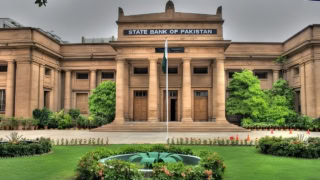
The State Bank of Pakistan and the Pakistan Banks’ Association have been tasked with reviewing existing cybersecurity frameworks, identifying gaps, and proposing actionable improvements.
Officials concluded that strengthening cybersecurity is essential not only for protecting financial infrastructure but also for supporting Pakistan’s broader digital transformation and economic growth.