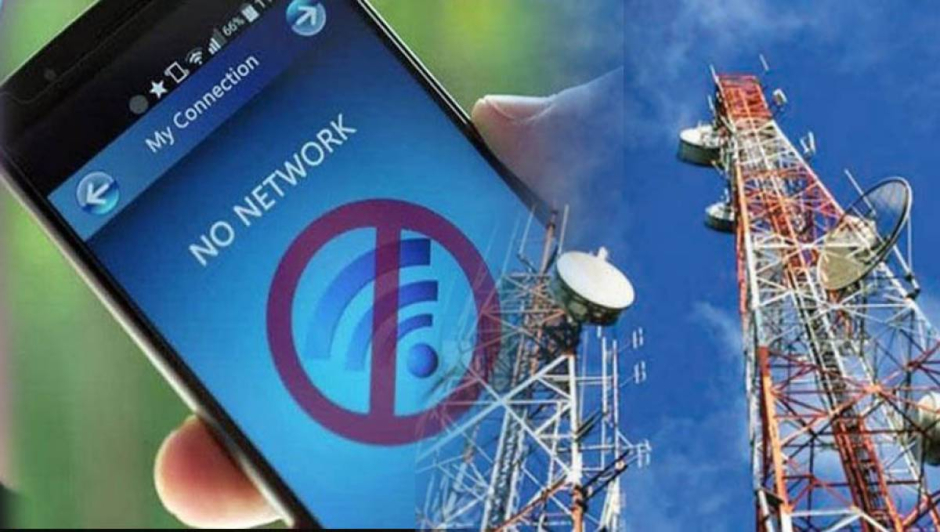
Pakistan is facing one of the world’s largest mobile internet usage gaps, with around 140 million people living in areas covered by mobile broadband networks but not using mobile internet, according to the GSMA’s State of Mobile Internet Connectivity 2026 report.
The figure places Pakistan among the countries with the largest absolute mobile internet usage gaps, alongside Nigeria. India has the world’s largest gap at around 710 million people. The findings indicate that Pakistan’s digital challenge is no longer limited to expanding network coverage, but also involves making internet access affordable, useful and accessible.
According to the GSMA Consumer Survey 2025, literacy and digital skills, affordability and relevance are among the key barriers to mobile internet adoption in Pakistan. Family-related restrictions, safety concerns and the quality of connectivity also affect usage, with challenges varying between urban and rural communities.
The report highlights that expanding faster networks and introducing newer technologies alone will not be enough to close Pakistan’s digital divide. Many people who already live within mobile broadband coverage still lack affordable internet-enabled devices or the skills needed to use digital services effectively.
Handset affordability remains a major concern. Across low- and middle-income countries, an entry-level internet-enabled handset accounted for 44% of average monthly income among the poorest 20% of people at the end of 2025. The GSMA estimates that reducing entry-level smartphone prices to between $20 and $30 could make smartphones affordable to an additional 1.6 to 2.2 billion people globally.
For Pakistan, measures such as promoting low-cost smartphones, supporting local handset assembly, increasing market competition and improving financing options could help more people access mobile internet.
Digital literacy programmes could also play an important role by teaching practical skills related to digital payments, e-commerce, online education, employment platforms and government services.
Meanwhile, improving network quality and data affordability remains essential for existing users. Slow speeds, inconsistent coverage and high data costs can limit how frequently people use mobile internet even after gaining access.
Closing Pakistan’s 140-million-person mobile internet usage gap could provide a significant boost to digital commerce, financial inclusion, education and access to public services. The GSMA findings suggest that the country’s next phase of digitalisation will need to focus not only on network expansion but also on making mobile internet affordable, relevant, safe and easier to use.