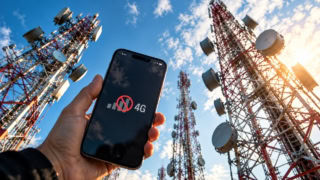
Pakistanis are using more mobile data than ever, but telecom operators face growing pressure to keep prices low. Rising spectrum costs, network upgrades, and 5G investment are changing the economics of the market.
Industry stakeholders raised these concerns during a recent background discussion. They noted that Pakistan remains one of the world’s lowest-revenue telecom markets despite rising data consumption.
A customer currently pays around Rs 29 per GB of mobile data. Meanwhile, average revenue per user (ARPU) remains near US$1 per month.
Spectrum and Network Costs Rise
The pressure has increased following Pakistan’s latest spectrum auction. Operators are expected to pay at least US$510 million for new spectrum, with half due next year. Industry estimates also suggest that each operator may need to upgrade more than 1,000 mobile sites annually. These upgrades will help networks handle rising traffic and support the move toward 5G.
At the same time, network operating costs have increased. Energy, imported equipment, freight, and insurance are now more expensive due to inflation, currency volatility, and global tensions. Brent crude has also climbed from around US$60 per barrel in December to nearly US$84. Higher energy and operating costs add further pressure on telecom companies.
Operators already spend an estimated 15–20% of their annual revenue on network expansion and modernization. However, data traffic is increasing faster than the revenue generated from each subscriber.
Industry Seeks a More Sustainable Pricing Model
Pakistan now has more than 208 million cellular subscribers and around 160 million mobile broadband users. Mobile networks support digital payments, e-commerce, entertainment, education, and public services.
The changing market has also renewed debate over retail telecom tariffs. Under the current rules, operators with significant market power need prior approval from the Pakistan Telecommunication Authority (PTA) for higher retail prices.
International markets offer a different approach. The United Kingdom, United States, Canada, and Australia generally allow operators to set mobile tariffs commercially. India and Malaysia also largely follow market-based pricing. Regulators in these markets focus on competition, transparency, and consumer protection.
For Pakistan, greater pricing flexibility would not have to mean weaker consumer protection. Rules could still cover pricing transparency, customer notices, misleading offers, and unfair market practices.
The main challenge is finding a balance between affordable data and continued network investment. Gradual tariff adjustments could help operators fund capacity upgrades and 5G while keeping connectivity within reach.
The concept of “sustainable affordability” is therefore gaining attention. Pakistan’s telecom market has made mobile data remarkably cheap, but the next challenge is ensuring networks can keep up with growing demand.