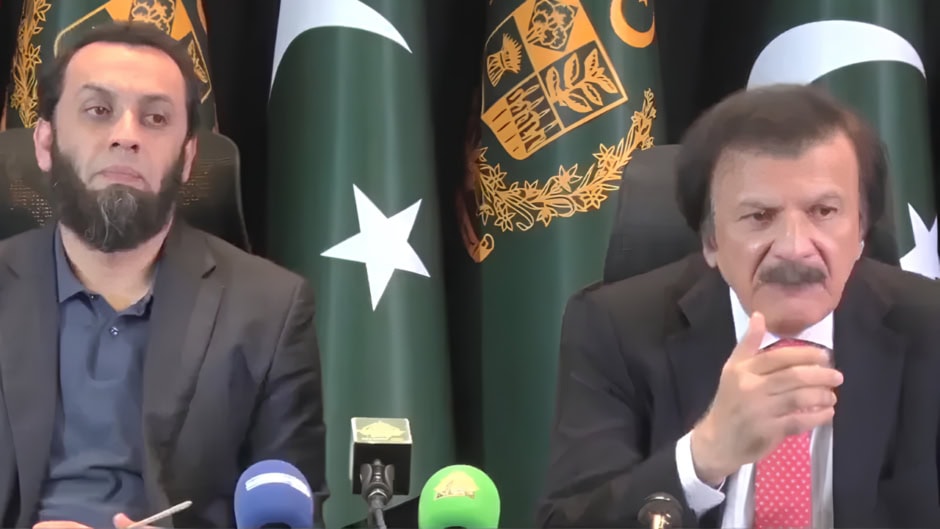
Prime Minister Shehbaz Sharif has officially approved the final draft of Pakistan’s new auto policy. The federal government aims to massively increase market competition and heavily encourage electric vehicle (EV) manufacturing. Consequently, the state hopes to drastically reduce Pakistan’s crippling dependence on imported petroleum products.
Recently, Federal Minister for Information and Broadcasting Attaullah Tarar announced this major development. He addressed a joint press conference alongside the Prime Minister’s Adviser on Industries, Haroon Akhtar. Now, the government will submit the approved draft directly to the Federal Cabinet for final consideration.
Here are the primary highlights of the newly approved framework:
| Policy Focus | Key Directives & Incentives |
| Market Competition | Ends decades of local protectionism to encourage new automakers. |
| EV Infrastructure | Exempts EV charging stations from customs duties. Reduces sales tax. |
| Small Vehicles | Preserves existing incentives for petrol-powered cars up to 800cc. |
| Economic Strategy | Targets massive reduction in Pakistan’s petroleum import bill. |
| Security Measures | Mandates registration of non-custom-paid (NCP) vehicles in KP. |
New Auto Policy to End Decades of Protectionism
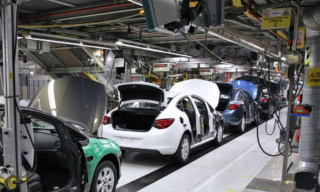
For decades, the domestic automobile industry enjoyed extremely high tariff protection. Successive governments maintained massive import duties to protect local car manufacturers. They expected the domestic industry to improve vehicle quality and quickly introduce modern technologies. However, these protectionist measures completely failed. Despite years of government incentives, consumers never received affordable or technologically advanced vehicles.
Therefore, the new policy actively encourages additional manufacturers to enter the Pakistani market. Furthermore, Prime Minister Shehbaz Sharif repeatedly emphasized making vehicles affordable for middle-income households. The government formulated this new policy after extensive stakeholder consultations and comparative assessments of global auto policies. Meanwhile, the policy safely preserves existing facilities for petrol-powered vehicles with engine capacities up to 800cc. Thus, consumers relying on smaller, budget-friendly cars will not face adverse financial effects.
Sparking an Electric Vehicle Revolution
The new auto framework aggressively targets electric mobility. Specifically, the government has exempted the establishment of EV charging stations from all customs duties. Additionally, the state reduced the applicable sales tax to attract rapid investment in charging infrastructure. Tarar noted that Pakistan offers incredible opportunities for EV manufacturers to establish local production facilities. Eventually, the industry will develop local supply chains and export vehicles to international markets.
Moreover, the minister highlighted the growing adoption of electric motorcycles and scooters. Women and students, in particular, show massive demand for these affordable alternatives to conventional petrol transport. Consequently, Tarar confidently compared the upcoming EV boom to the rapid expansion of solar energy across Pakistan. Ultimately, he stressed that domestic automobile manufacturing cannot deliver its full economic potential without actively generating employment and expanding production.
Slashing Imports & Securing NCP Vehicles
Economically, Pakistan’s massive petroleum import bill places crushing pressure on the national economy. Furthermore, wild fluctuations in international oil prices directly drive inflation and increase household transportation costs. Therefore, wider EV adoption will drastically reduce domestic petroleum consumption. Ultimately, this structural shift will free up vital financial resources for infrastructure development, healthcare, education, and other public services.
Finally, Tarar addressed the ongoing issue of non-custom-paid (NCP) vehicles in Khyber Pakhtunkhwa. The government is currently developing a formal policy to register these undocumented vehicles through the relevant Customs and Excise departments. Previously, criminals used unregistered vehicles in deadly terrorist incidents. Consequently, strict documentation and regulation remain absolutely crucial for national security and administrative oversight.